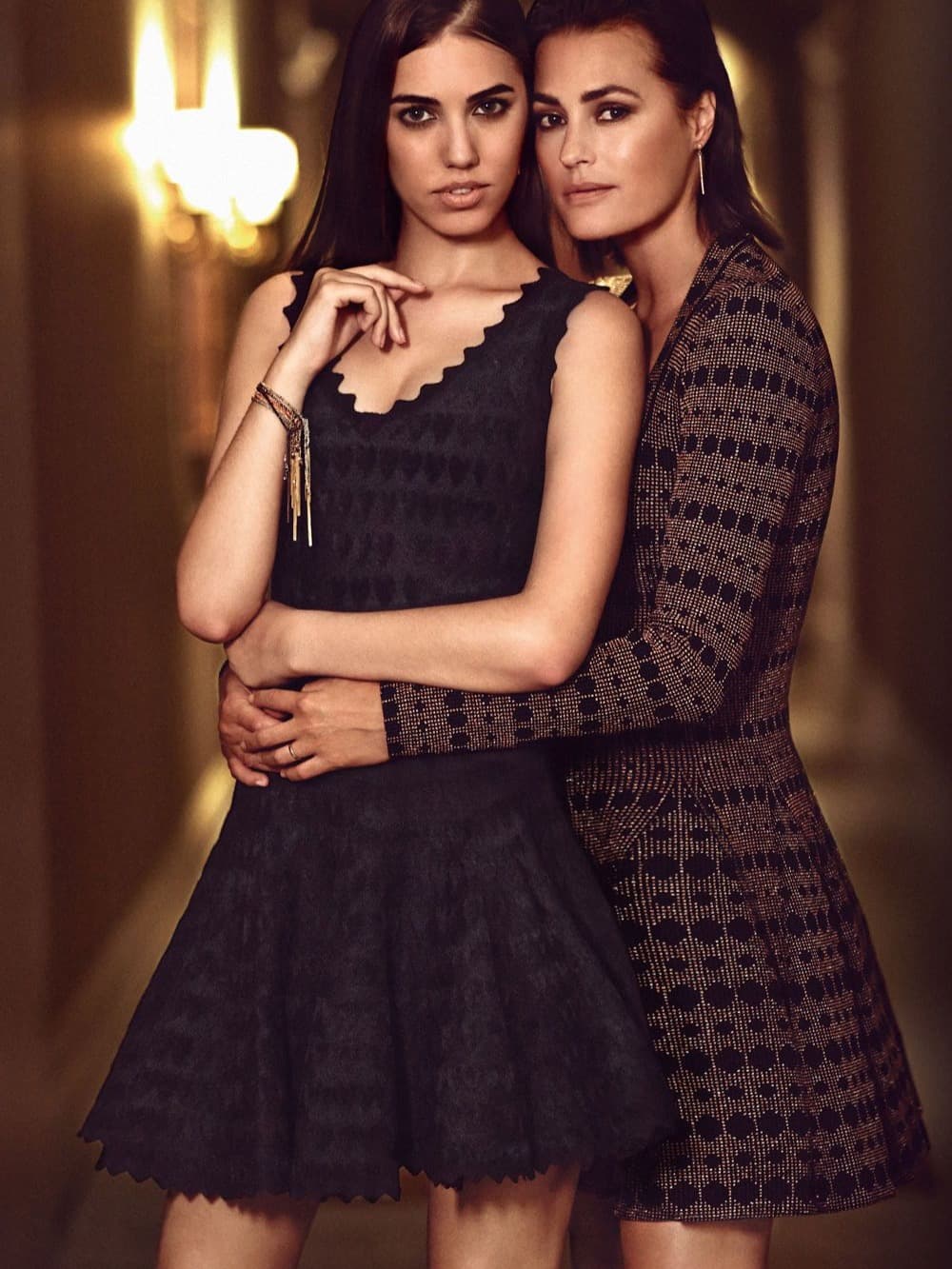
Imagine an advertising campaign: a beautiful video, thousands of likes, orders rolling in. The brand thanks the team. The influencer adds another case study to their portfolio.
Then some of the clothes come back.
The fit was wrong. The fabric looked different in person. The dress that convinced someone to pull out their credit card existed only on screen.
Who is going to reassess the campaign’s success now?
If the report ends when an order is placed, the return never makes it into the picture. Marketing celebrates the sale while the warehouse takes the item back. A very convenient division of responsibility.
A Beautiful Shot Doesn’t Mean a Job Well Done
In fashion, it is easy to confuse a model’s appeal with the appeal of the product.
People might watch a video for the face, the figure, the movement, or the music. They might vote for a contestant, follow her, and have absolutely no interest in the clothes she is wearing.
The attention is there. But what, exactly, has attracted it?
If the dress is barely visible but the model is impossible to stop watching, it may be an excellent advertisement for the model. The brand should figure out whose success it actually paid for.
The problem becomes even more serious when the content sells an image that the garment itself cannot deliver. Customers order clothes without studio lighting, carefully chosen angles, or a team adjusting every fold.
They have every right to expect the actual product to look just as appealing.
A Purchase Doesn’t End at Checkout
An order confirms that the customer was persuaded to buy. What comes next is the real test: does the item live up to the expectations that prompted the purchase?
Of course, not every return should be considered an advertising failure. The size might not fit, or plans might change. A model is not responsible for the quality of the stitching, and a photographer does not control the sizing chart.
But completely absolving the content of responsibility is just as convenient.
If an item is repeatedly returned because it looks different from what customers saw on screen, the way it was presented deserves scrutiny, too. Even if the video reached a million views.
Especially if it reached a million views.
So What Should Count as a Win?
For LookBerry Fashion Battles, this raises a fundamental question: what should a model actually win for?
Generating votes? Creating the desire to buy? Helping customers choose an item they will be happy with?
These are different outcomes. They should not be confused with one another.
The competition itself guarantees nothing. It could also become a parade of beautiful shots in which clothing serves as nothing more than a prop. That is why our position is simple: the commercial value of fashion content should also be measured by what happens after the purchase.
Show garments in a way that makes their cut, fit, and movement clear. Give customers the opportunity to examine the product. Compare audience engagement with sales and the reasons for returns.
Then brands have a basis for choosing models according to how they present the clothing and the results they help generate.
A beautiful shot deserves attention. A successful sale deserves recognition. A satisfied customer deserves to be treated as the real measure of success.
As long as brands celebrate every order and bury every return under logistics costs, they risk paying for a success that never happened.
The dress is already back in the warehouse. Maybe it’s time to take another look at that glowing advertising campaign report, too?