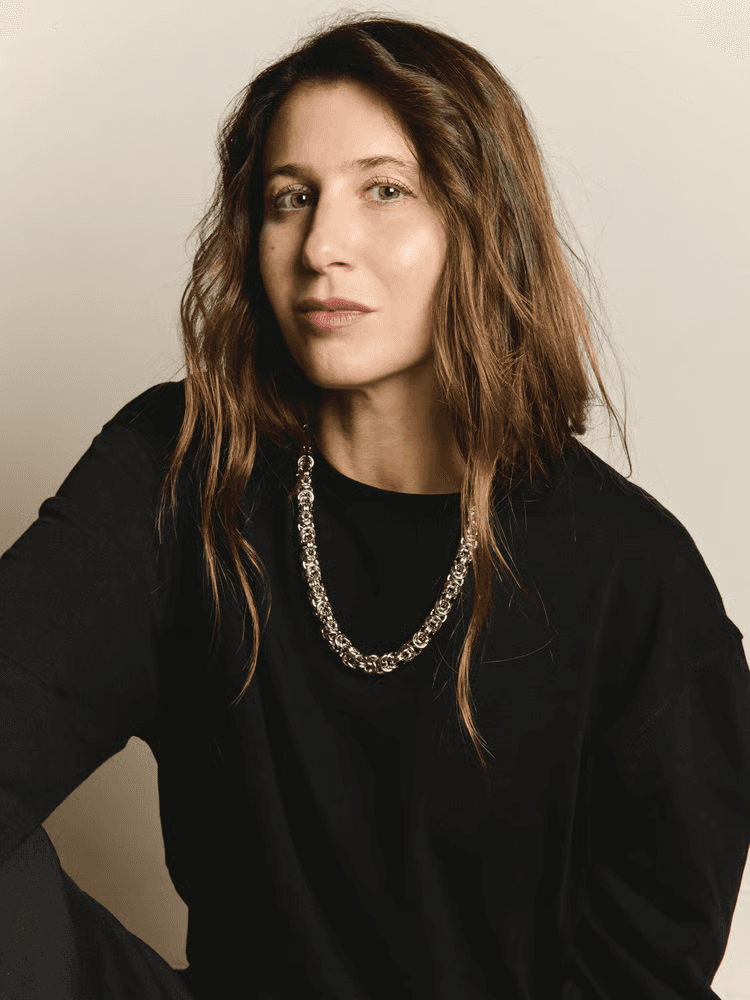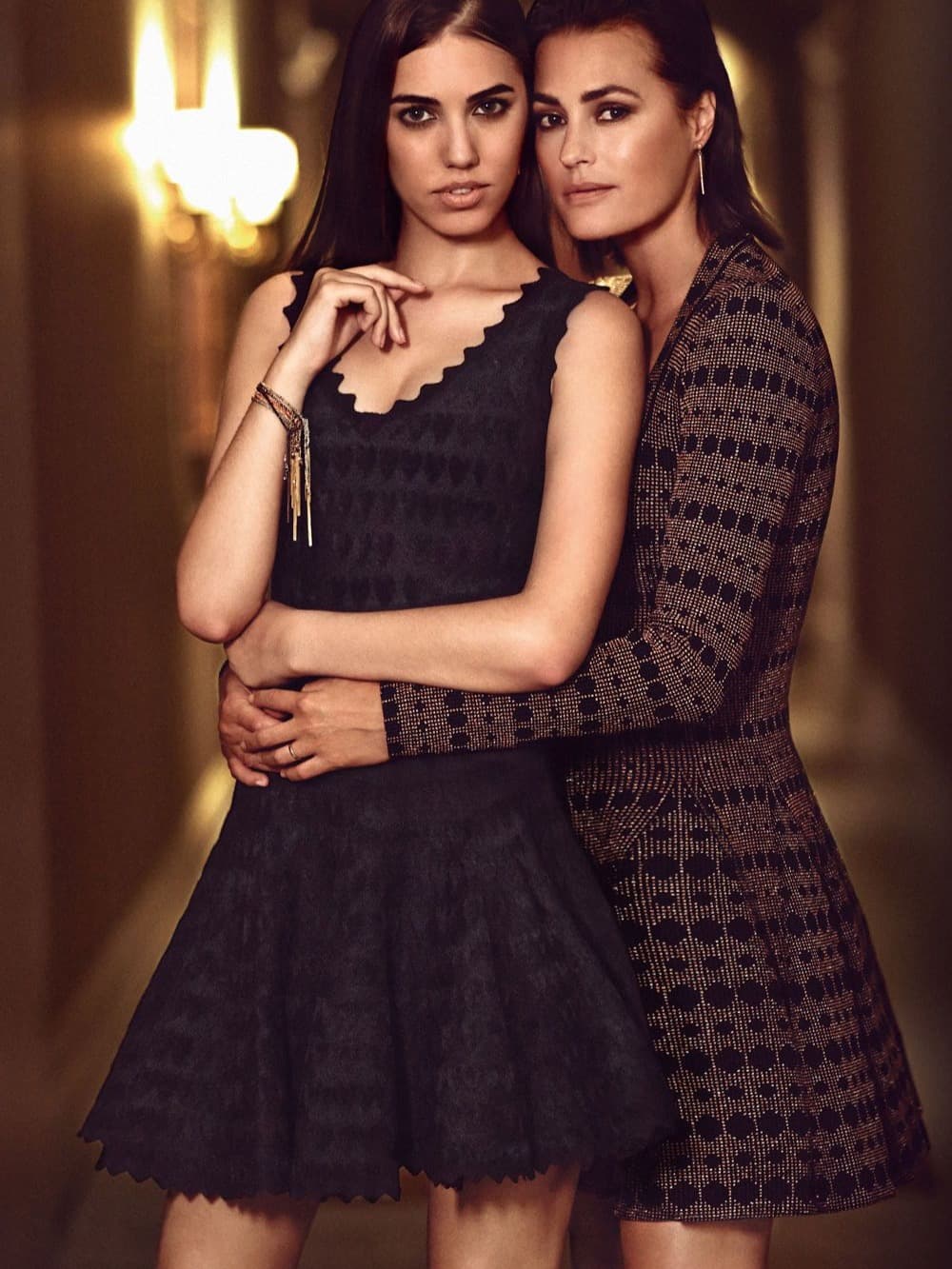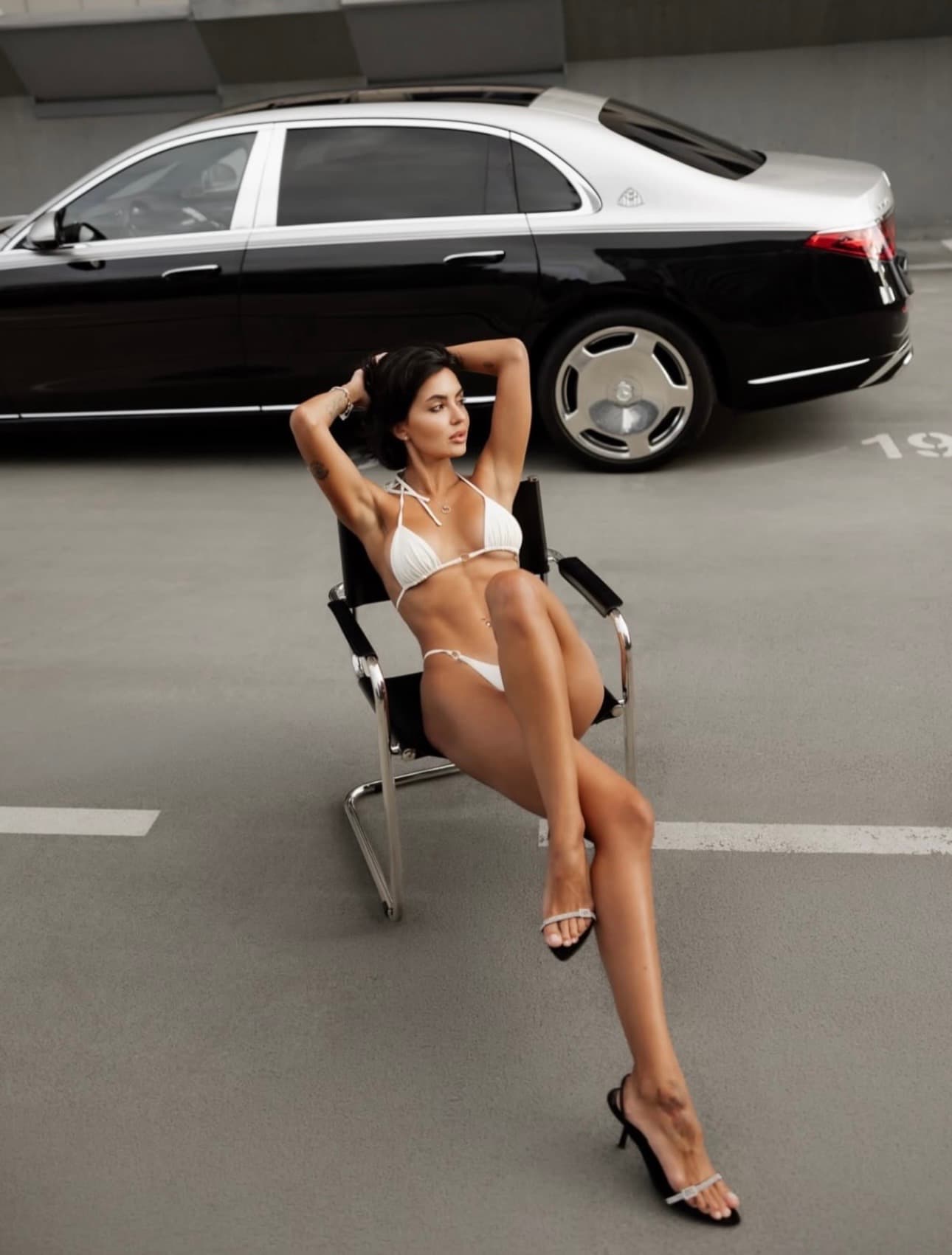
Fashion has used the appeal of models to sell clothing for decades. But there is one question that polished campaign reports rarely answer: what exactly attracted the viewer - the model or the product?
Look at the audience and comments under women’s fashion advertising. If a significant share of the engagement comes from men interested in the model, why should a brand count that attention as campaign success? The view happened. The like was earned. But the woman who might actually buy the dress may never have appeared.
This is not a debate about beauty. It is a problem of measuring behavior.
Traditional advertising analytics often compresses different intentions into a single number. One person wants to connect with the model. Another likes her style. Another wants to buy the clothing. To the platform, all three are “engagement.” To the brand, they are three completely different outcomes.
LookBerry Fashion Battles separates these signals. A Berries club member can leave an Attractive Like if they are attracted to the model herself. This can open the possibility of connecting with her. A Style Like reflects interest in how she presented the look and does not open messaging. The clothing featured in the episode is available for purchase.
This makes it possible to trace the path from attention to action: who attracted the audience, whose style generated interest, and which model’s appearance was followed by a purchase. It also allows the platform to examine which groups of viewers generate each type of signal.
The hypothesis is simple - and uncomfortable for the industry: the most desirable model may not be the most effective at driving sales. A million men impressed by her appearance do not equal a million potential buyers of the dress.
LookBerry’s real contribution is not another ranking of beautiful faces. It is an attempt to measure what fashion advertising has traditionally blurred together: sexual attention, interest in style, and purchase intent.
If a brand pays for sales, it is time to stop treating the desire to connect with a model as the desire to buy her clothes.