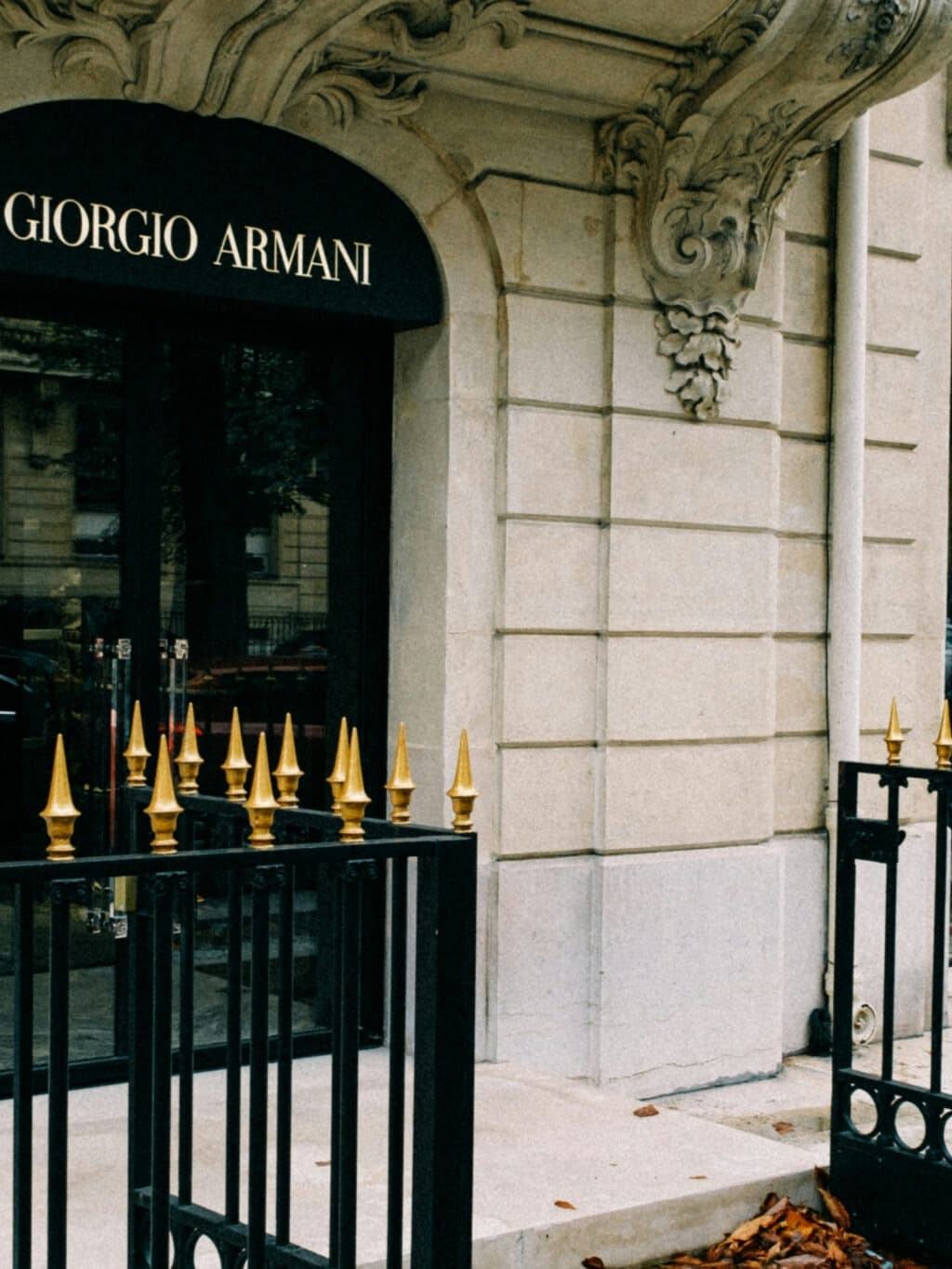
Tourists carrying shopping bags, luxury boutiques, global fashion labels. Looking at Dubai Mall, it is easy to believe that selling clothes in Dubai is simple. People arrive, shop, and fly home. Then more arrive.
But try entering this market with a brand nobody has heard of.
You have a collection, a website, high-quality photography, and delivery in place. Yet a shopper who has just spent thousands of dirhams on clothing may not even know your brand exists.
Getting into the city’s prime retail spaces is no easier. According to Cushman & Wakefield, Dubai’s largest malls are almost fully occupied, while Fashion Avenue at Dubai Mall ranked 11th among the world’s most expensive retail locations by rental value in 2025. (cushwake.ae)
A wealthy market does not automatically mean an accessible one.
The shopping bags carried through these malls reflect sales generated by an already established retail offering. They tell us little about how many other collections might appeal to the same shoppers.
And the absence of a brand from a prestigious mall certainly does not prove that nobody wants what it sells.
Beyond these storefronts lies another side of Dubai’s fashion scene: independent designers, emerging labels, and online retailers. For them, the journey to the customer begins long before a fitting room. First, they have to give people a reason to stop and take a look.
The internet was supposed to solve this problem. Brands no longer needed a prestigious physical location to showcase their collections. They could launch a website and sell directly to consumers.
But opening an online store and bringing customers to it turned out to be two very different challenges.
Industry representatives in the UAE’s independent retail sector have described the problem directly: there are plenty of interesting brands, but people struggle to discover them and remember their names. Even an introduction through Instagram can end with a potential customer forgetting the store’s name by the time they are ready to buy. (imagesretailme.com)
At the same time, online demand is clearly there. According to research by EZDubai and Euromonitor, the UAE’s e-commerce market reached AED 32.3 billion in 2024. Clothing and footwear ranked among the country’s three largest e-commerce categories by sales value. (dubaisouth.ae)
Yet the size of the overall market offers little comfort to a founder whose collection is sitting in a warehouse.
They pay for photoshoots, create content, and invest in influencers. They get views, reactions, and compliments. But at the end of the month, they still need to pay for the production of their next collection.
Views can grow while unsold inventory continues to pile up.
That is why the quality of fashion content is about much more than an attractive image. Does the customer understand what is being offered? Can they picture how the clothes would fit into their own life? Do they have enough reasons to trust an unfamiliar brand and believe its prices are justified?
The same applies to influencers. Audience size indicates potential reach. The ability to select the right pieces, explain their appeal, and make people want to buy them requires a different kind of proof.
This, in my view, is where the real story of Dubai’s online fashion market begins: with how an unknown label earns its first purchase, secures a repeat order, and eventually wins a recommendation from one customer to another. With how attention gradually turns into trust.
Tourists shopping at a famous mall cannot, by themselves, tell us that story. Nor do their purchases provide a complete picture of what people who live and work in Dubai every day actually want to wear.
Dubai has already demonstrated that it can sell the world’s most recognisable fashion names. The more interesting question is how easy it is to become a new one.
How many brands are convinced that Dubai does not need their clothes, when the truth is that Dubai simply has not seen them yet?