The global fashion industry is undergoing a major transformation as celebrity founded brands continue to gain power in 2026. What was once a marketing strategy has now become a dominant business model. Celebrities are no longer just ambassadors for fashion houses. They are building brands that compete directly with established luxury players.
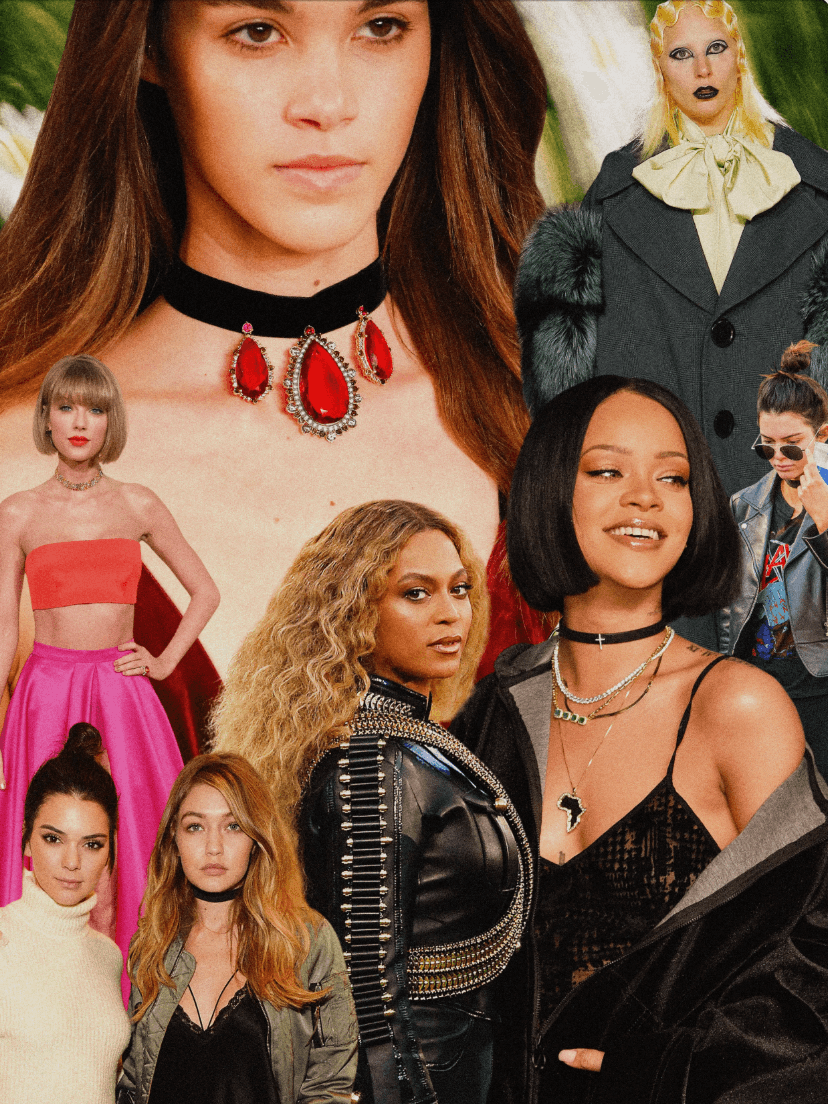
Artists and public figures such as Rihanna, Kim Kardashian, and Hailey Bieber have successfully turned their influence into scalable fashion and beauty businesses. Brands like Fenty, SKIMS, and Rhode are growing rapidly by leveraging direct connections with audiences. Instead of relying on traditional retail or runway exposure, these brands are built around community, identity, and constant digital engagement.
This shift is forcing traditional fashion houses such as Louis Vuitton, Gucci, and Balenciaga to rethink their strategies.
Luxury brands are increasingly investing in collaborations, digital storytelling, and influencer driven campaigns to remain relevant in a rapidly changing market. The focus is moving away from seasonal collections toward continuous engagement and cultural relevance. Industry analysts point out that modern consumers are less interested in brand heritage and more focused on authenticity and connection. This is where celebrity brands have a clear advantage. They offer a direct emotional link between the product and the audience. Social media platforms are accelerating this transformation. Trends now emerge from creators and communities rather than from traditional runway shows. Influencers are no longer just promoting fashion. They are actively shaping it.
As a result, the power structure of the industry is shifting. Fashion is becoming more decentralized, more dynamic, and more responsive to real time audience behavior.