In 2026, Vogue is no longer just reporting on fashion.
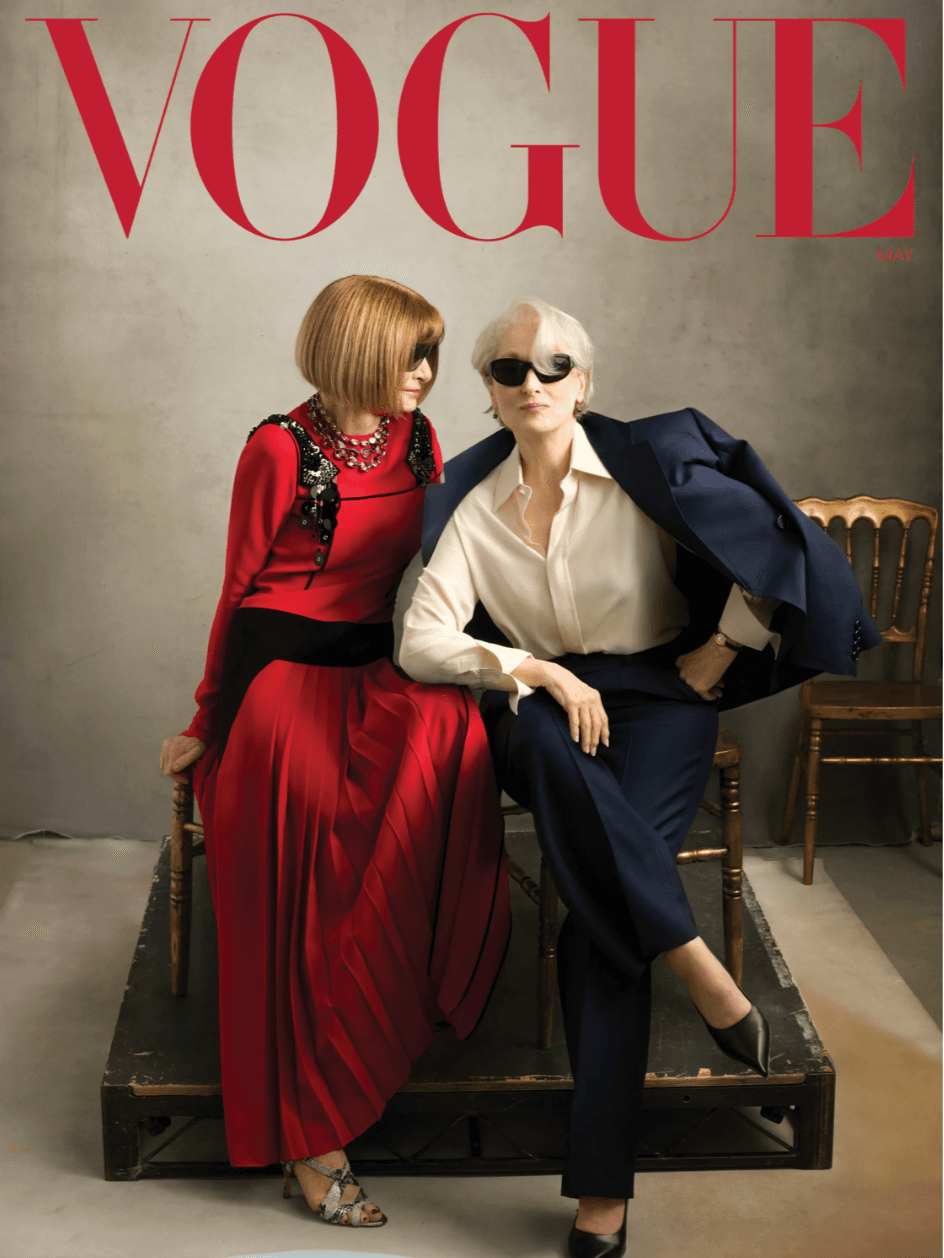
It is becoming part of the narrative itself. One of the clearest signals of this shift came when Anna Wintour appeared on the magazine’s own cover. A move that would have once seemed unthinkable is now redefining how fashion media operates. Traditionally, Vogue positioned itself as an observer and authority. It curated trends, elevated designers, and defined cultural moments from a distance. Today, that distance is disappearing.
The magazine is increasingly blending editorial content with celebrity culture, influence, and storytelling. Covers are becoming more than visual statements. They are strategic moments designed to generate conversation, attention, and digital reach. This transformation reflects a broader shift across the industry. Fashion media is no longer competing only with other publications. It is competing with social platforms, creators, and real time content. As a result, even legacy institutions are adapting. They are becoming more dynamic, more visible, and more integrated into the stories they once only documented.
For audiences, this changes the role of media. Readers are no longer passive consumers. They are participants in a constantly evolving cultural conversation. For the industry, the message is clear. Authority alone is no longer enough. Visibility, personality, and relevance are now equally important. Vogue is not losing its influence. It is redefining how that influence works.