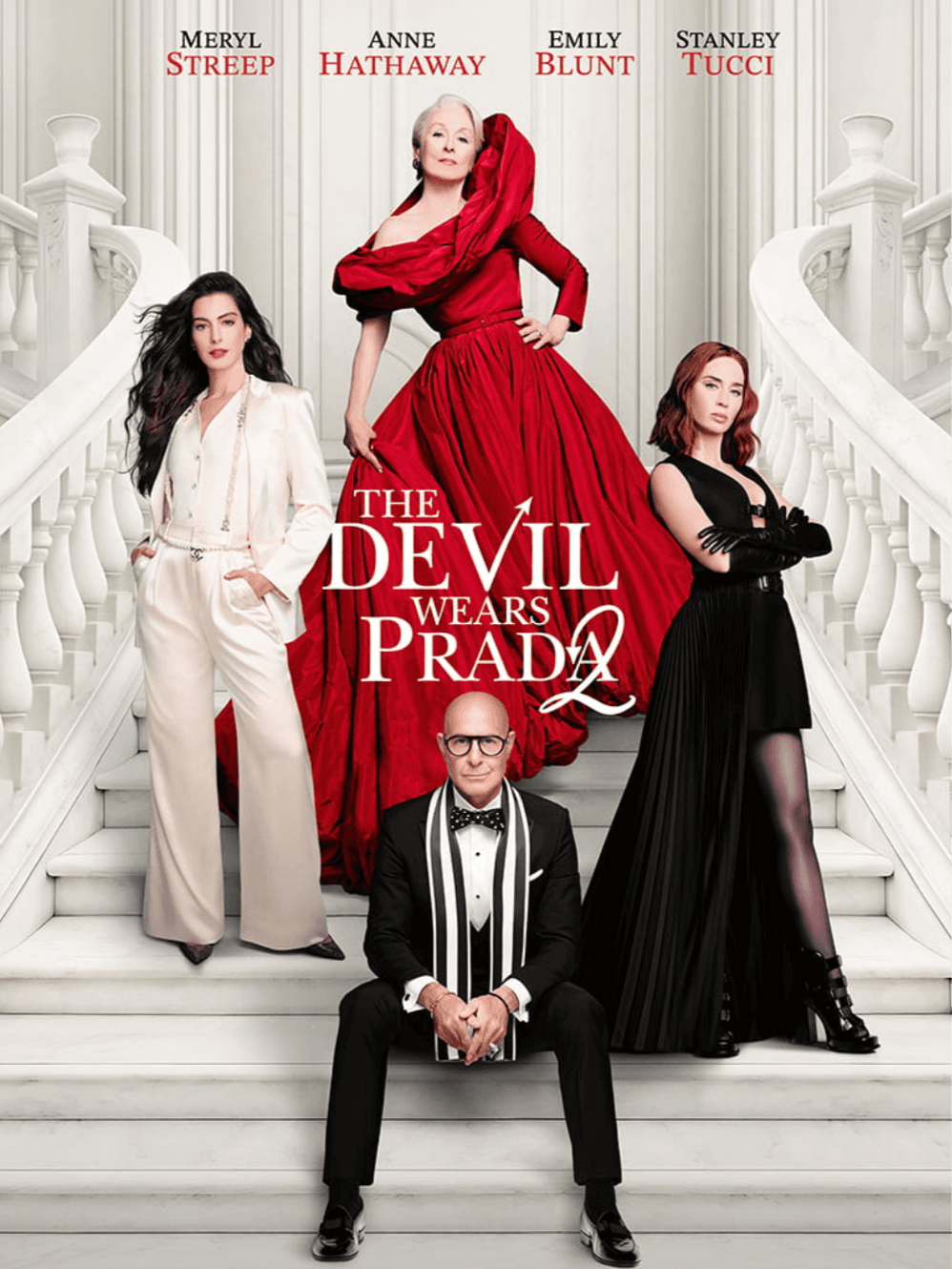
In 2026, The Devil Wears Prada is making a powerful return, and its influence on the fashion industry is already visible.
Nearly two decades after its original release, the film is once again becoming part of the cultural conversation as a sequel enters production. The story that once defined the relationship between media, power, and fashion is now being reintroduced to a new generation. At the center of this revival is Meryl Streep, who returns to her iconic role inspired by real life fashion authority figures. Her character continues to represent control, taste, and influence at the highest level of the industry.
The impact is not limited to cinema. Fashion itself is responding. Designers, stylists, and creators are revisiting the sharp tailoring, structured silhouettes, and editorial aesthetics that defined the original film. The visual language of high fashion authority is becoming relevant again. The return of the film is also blurring the line between fiction and reality. Scenes are being filmed at real fashion events, with celebrities and industry insiders participating directly in the narrative. This creates a new dynamic where entertainment and fashion are no longer separate industries. They operate as one system driven by visibility, storytelling, and cultural relevance.
For audiences, this means fashion is no longer just something to watch on a runway. It is part of a larger narrative that includes film, media, and celebrity influence. For the industry, the message is clear. Fashion is not only about design. It is about storytelling, identity, and presence in global culture.