Rihanna is no longer just a celebrity in fashion.
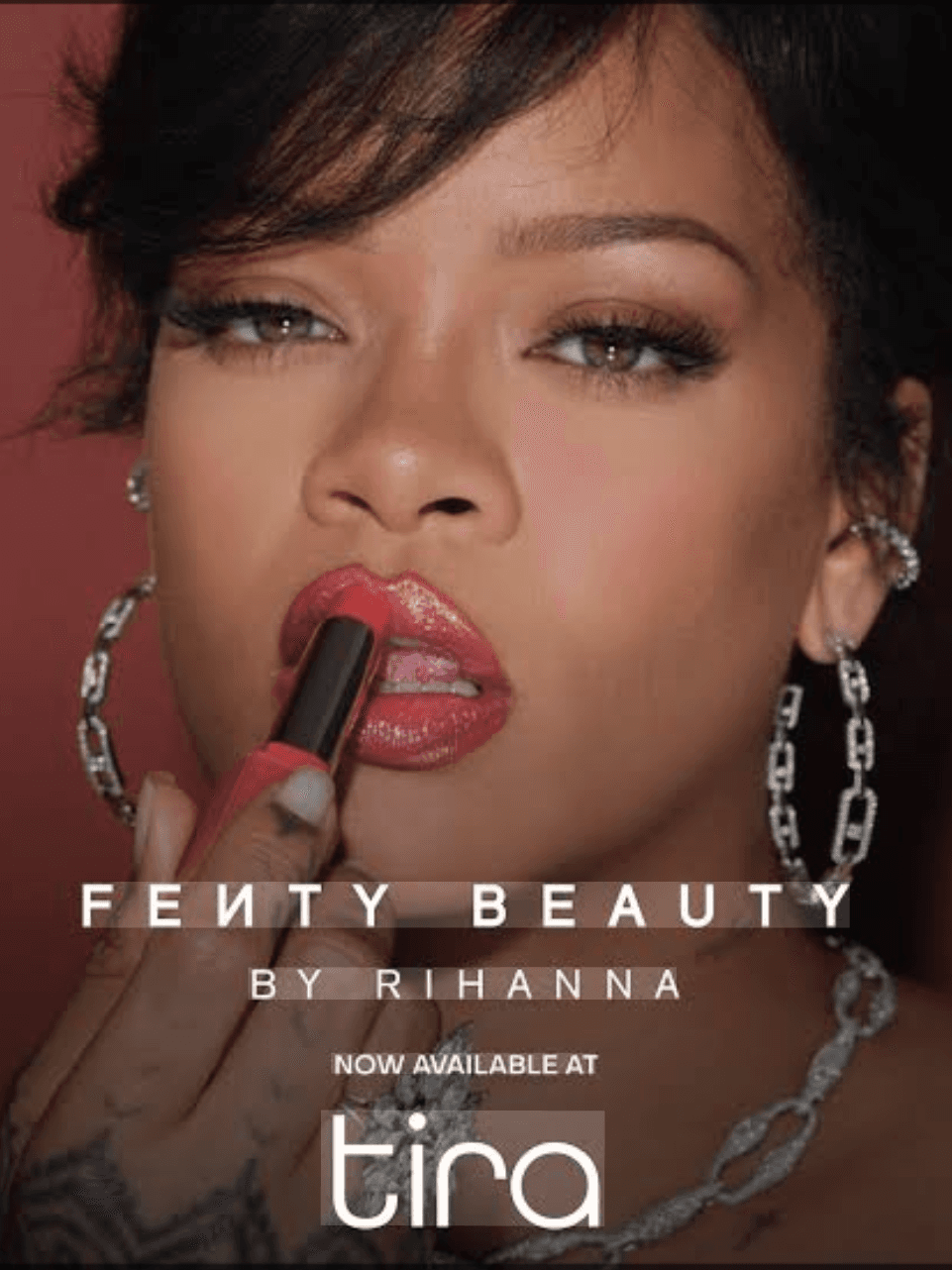
In 2026, she operates as a complete ecosystem. Through projects like Fenty, Rihanna has built a model where fashion, beauty, and identity are no longer separate categories. They function as one integrated system driven by culture, visibility, and direct audience connection. Her appearances are not random. They are strategic. Every look, product release, and public moment is aligned with a broader narrative that connects personal identity with commercial impact. This allows her to move beyond traditional brand structures and operate on her own terms.
Unlike legacy fashion houses that rely on heritage and seasonal cycles, Rihanna’s influence is built on relevance and timing. She adapts quickly, responds to cultural shifts, and often sets the direction rather than follows it. This creates a clear advantage. She does not depend on the fashion calendar. She defines her own. The impact extends beyond products. Rihanna represents a new model of power in the fashion industry, where a single individual can act as a brand, a platform, and a distribution channel at the same time. This shift is redefining the industry. The line between celebrity and brand is disappearing.
And in 2026, that distinction may no longer exist.