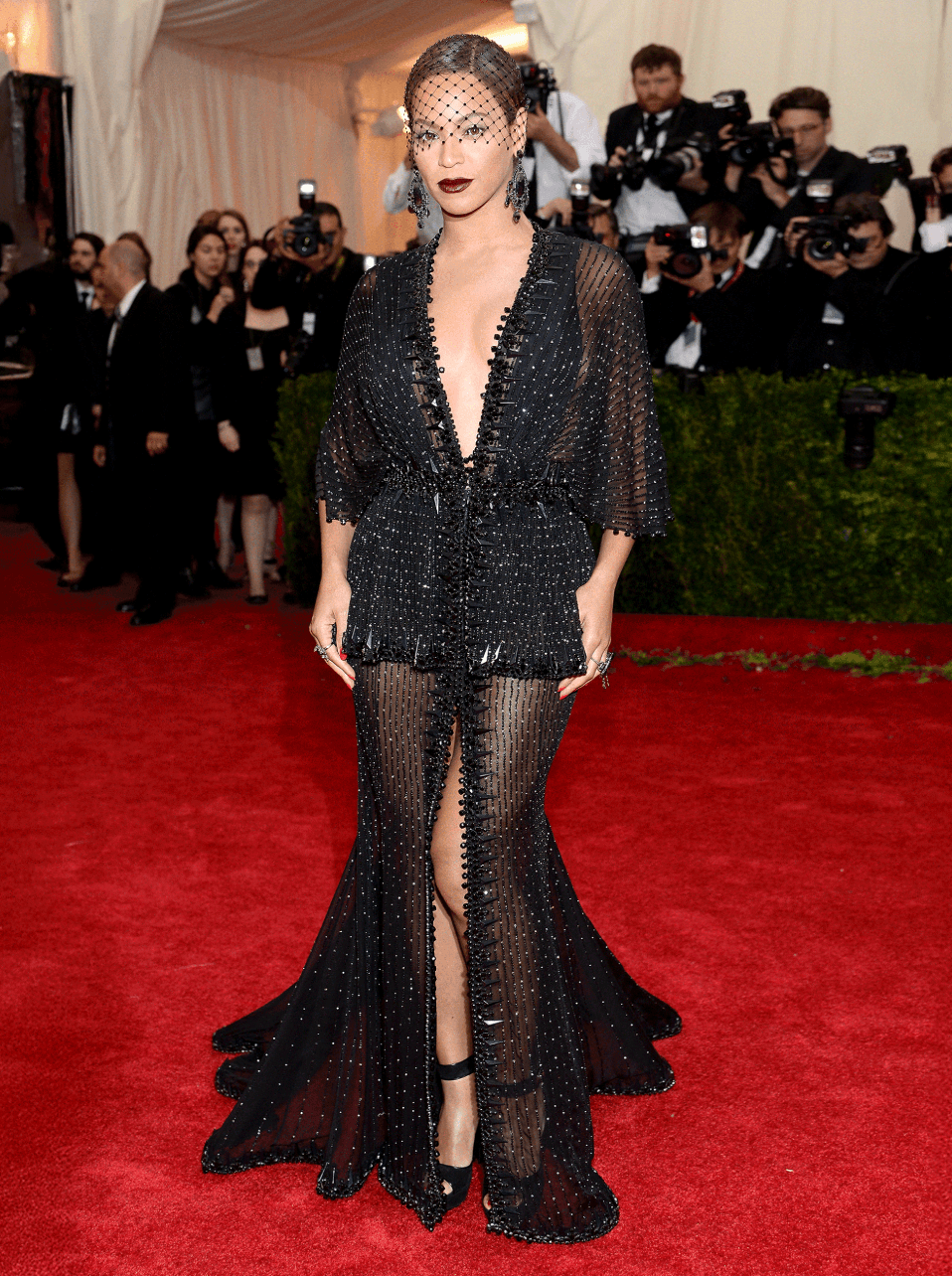
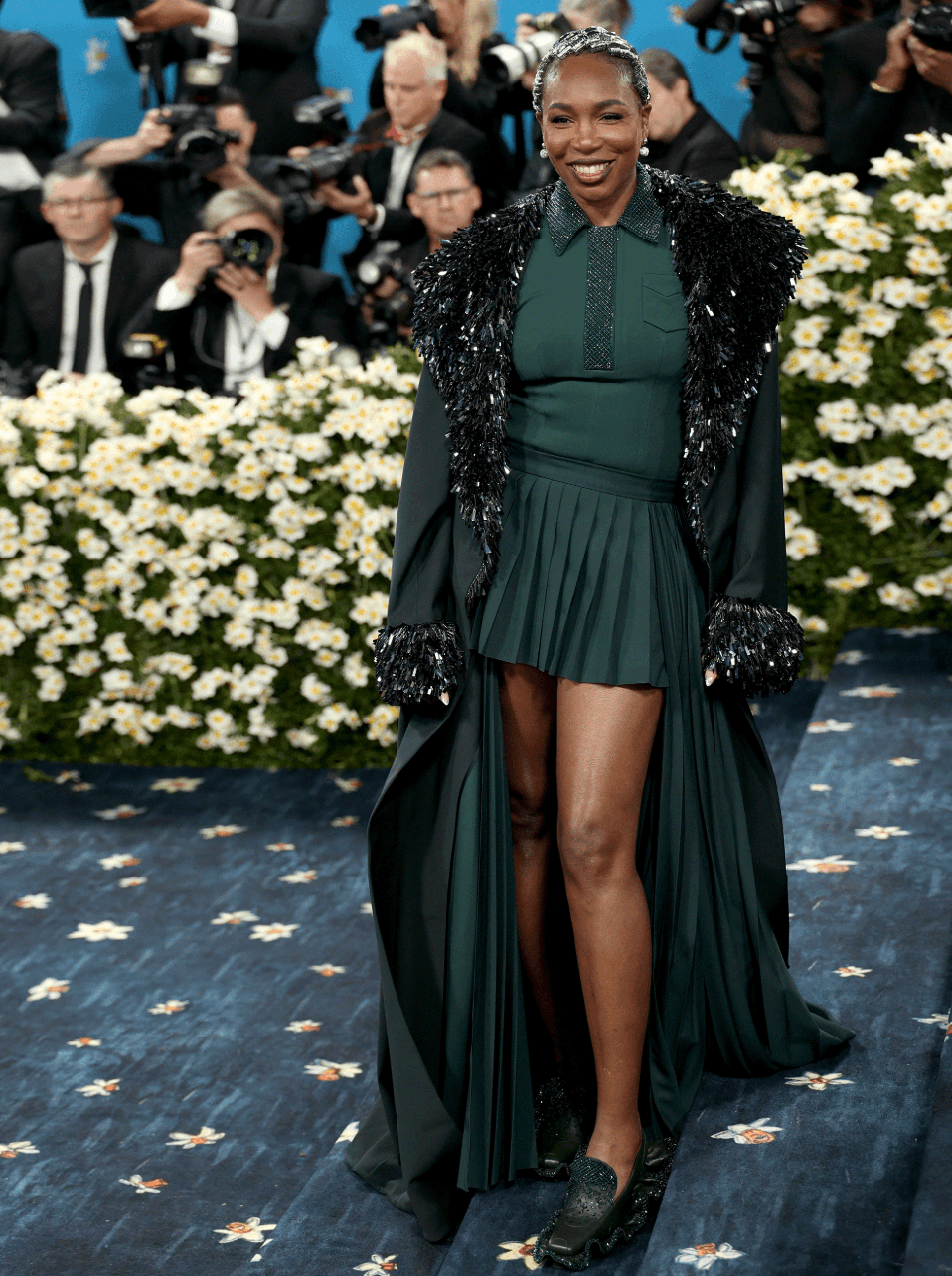
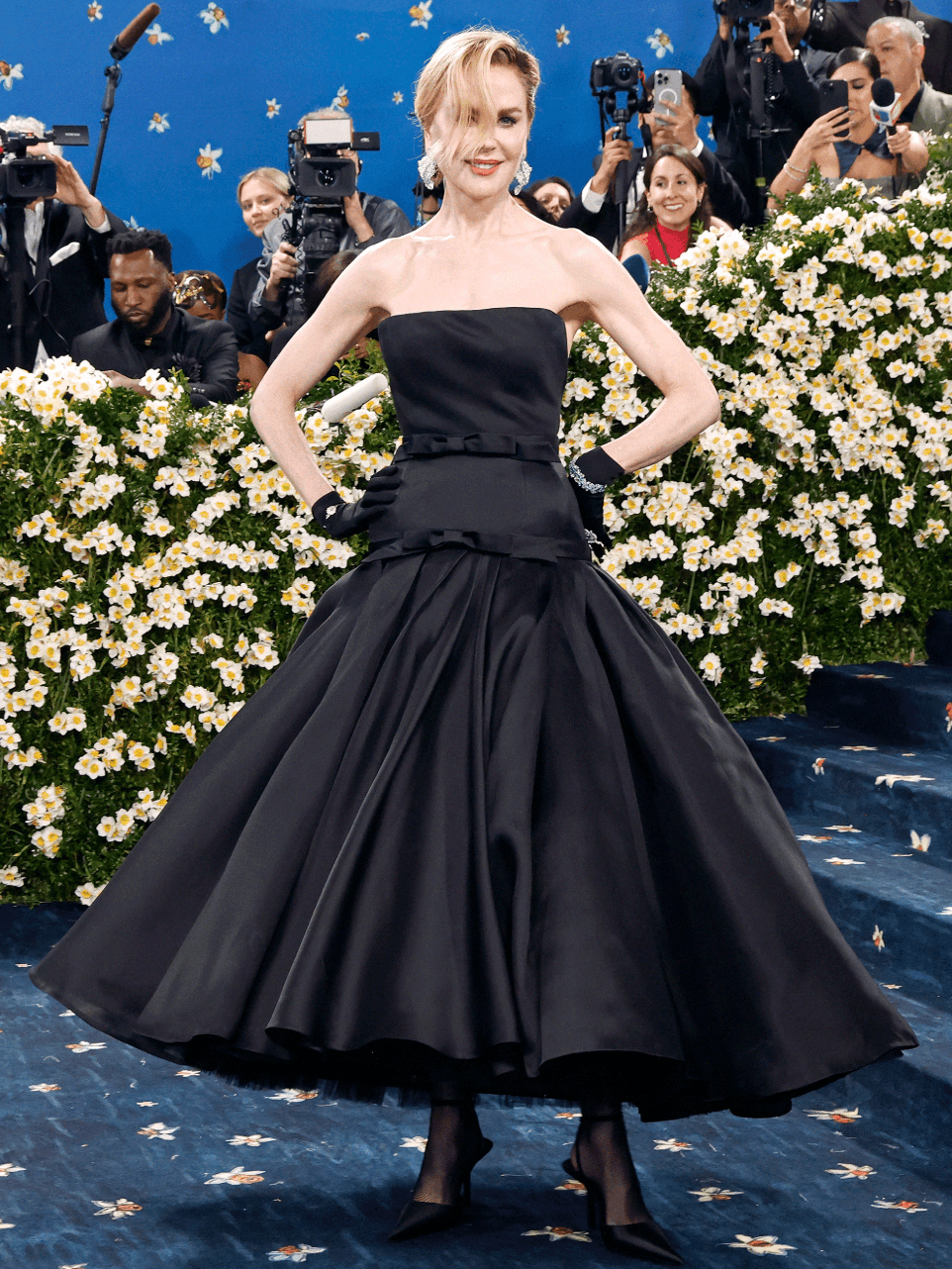
The Met Gala 2026, taking place on May 4 in New York at the Metropolitan Museum of Art, is already shaping up to be one of the most talked about fashion events of the year. This year’s theme, widely referred to as “Fashion as Art,” is expected to push celebrities toward more conceptual and statement driven looks, turning the red carpet into a global stage for artistic expression rather than traditional styling.
But the real story goes beyond fashion.
The guest list reflects a growing overlap between celebrity culture, business power, and global influence. High profile figures such as Beyoncé, Nicole Kidman, Venus Williams, and Doja Cat are expected to headline the event, alongside top designers, models, and cultural figures. At the same time, the presence and influence of major business figures, including Jeff Bezos, has triggered debate across the industry. Critics argue that fashion’s most important night is no longer driven only by creativity or design. It is increasingly shaped by wealth, influence, and strategic positioning. This raises a deeper question.
Who really controls fashion in 2026? Is it designers, celebrities, or those who fund and amplify the system?
The Met Gala has always been exclusive, but its role is evolving. It is no longer just a red carpet. It is a global media event where power, identity, and influence intersect. Every look presented at the event will be instantly distributed across social media, turning a single evening into a worldwide fashion conversation. In this environment, outfits are not just worn. They are engineered to dominate attention. At the same time, the event highlights a growing contradiction in the industry. Fashion presents itself as art and creativity, yet it operates within structures defined by access, status, and control.
The Met Gala 2026 does not just reflect fashion. It exposes how it works.