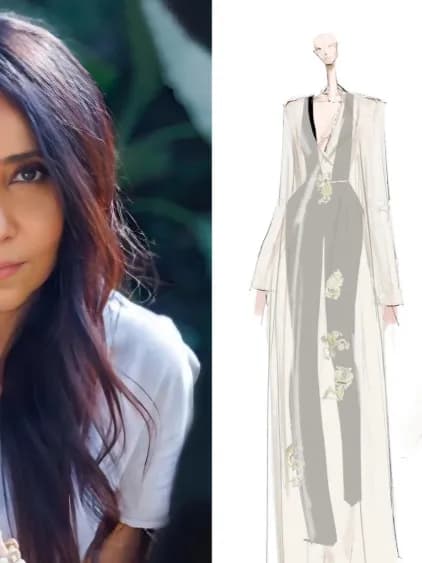
Indian designer Anamika Khanna’s label, AK|OK, is set to make its London Fashion Week debut through a show at the iconic Hamleys toy store. The event is generating buzz not only in the fashion world but also in Bollywood, with many leading film personalities expected to attend.
Grounding in Heritage, Aiming for Global Reach
AK|OK’s London showcase is more than just a debut — it’s a reflection of Khanna’s vision to merge her deep roots in Indian culture with a design language that resonates globally. She explores traditions like the kurta-pyjama, angrakha, and Indian draping, reframing these concepts in ways that feel modern, seamless, and wearable.
Khanna remarks that wearing these traditional shapes in cities like New York or London always ends up inviting curiosity — people ask, and they want to know more. She takes that sense of curiosity and respect, and uses it to design pieces that don’t feel alien.
The Creative Process & Design Inspirations
For this collection, Khanna drew on classic Indian texts and mythologies — the Upanishads, Ramayana, and Mahabharata — not as literal templates, but as emotional backdrops. The goal: to find what feels timeless within those stories, and re-weave their threads into a contemporary fashion context.
One of the standout explorations in this collection is the angrakha, a garment traditionally worn in parts of India. Khanna takes its defining drapes and shapes, playing with proportions, cuts, and context, to push the angrakha into new territory.
Khanna also emphasizes that clothes should bring “ease, femininity and joy” — they should make you feel beautiful and as though you belong.
Pre-Show Rituals & Emotional Anchors
No matter where she presents, Khanna carries with her a personal talisman: a silver coin given by her mother. Before every show, she receives it in an envelope, and she feels that it grounds her — connecting her to home, inspiration, and strength.
What London Fashion Week Means for AK|OK
This moment is significant in many ways. For one, it marks AK|OK’s first time showing in London, a major fashion capital. For another, it represents a cultural exchange: a chance to present Indian craftsmanship, textiles, and narratives on a global platform. For Khanna, being “true to where I come from, to my heritage,” is central.
As London embraces more global voices, Khanna’s debut serves as both inspiration and affirmation: that tradition and innovation need not be at odds, and that fashion grounded in heritage can be forward-looking and universal.