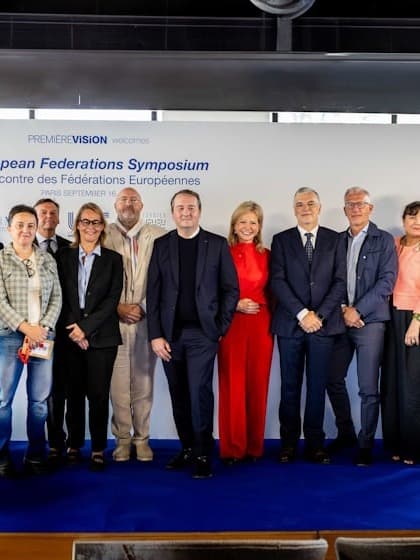
At the Première Vision trade fair in Villepinte, Paris, leading European textile and clothing federations issued a joint appeal to EU authorities, demanding immediate measures to regulate ultra-fast fashion platforms such as Shein and Temu.
The Scale of the Concern
In 2024, ultra-fast fashion accounted for around 4.5 billion imported parcels into the EU. Industry representatives warn that this model imposes unsustainable pressure on European businesses, particularly small and medium-sized enterprises. Concerns include environmental pollution, the rising volume of textile waste, unfair competition, and questionable labor practices.
Key Demands for Action
The federations’ letter to the European Commission outlined several urgent priorities. They are calling for stronger customs barriers, including the immediate removal of the duty-free exemption for goods under €150. They also want to accelerate investigations into the practices of ultra-fast fashion platforms and apply the heaviest sanctions possible under EU law when needed.
Another major demand is the introduction of taxes or fees on small parcels, alongside stricter VAT collection for imports through large third-country e-commerce platforms. They are also insisting that companies such as Shein and Temu be required to appoint legal representatives within the EU, ensuring accountability under European legislation. Finally, they stressed the need for closer dialogue with authorities in countries of origin, particularly China, to address the business practices of these platforms.
Who Supports This Call
The initiative is supported by Euratex, the European Apparel and Textile Confederation, as well as numerous national federations from France, Italy, Spain, Germany, Greece, Switzerland, Belgium, Portugal, and other countries. The declaration was officially signed at Première Vision and forwarded to the European Commission.
Why They Say It’s Urgent
According to the federations, they can no longer wait years for meaningful action. They point to an unprecedented rise in textile waste and mounting pressure on European businesses caused by the massive import flows of ultra-fast fashion. Smaller and medium enterprises, which already operate under stricter environmental and social rules, are particularly disadvantaged by the unfair competition.
What’s Next
The federations expect the European Commission and EU member states to adopt their demands without delay. This includes changes to legislation, stronger enforcement, tighter customs inspections, taxation of small parcels, and binding legal responsibility for overseas platforms. They argue that without immediate action, the environmental, social, and economic costs will only continue to escalate.