Dubai is rapidly becoming one of the most important fashion hubs outside Europe, as global attention shifts toward the Middle East in 2026.
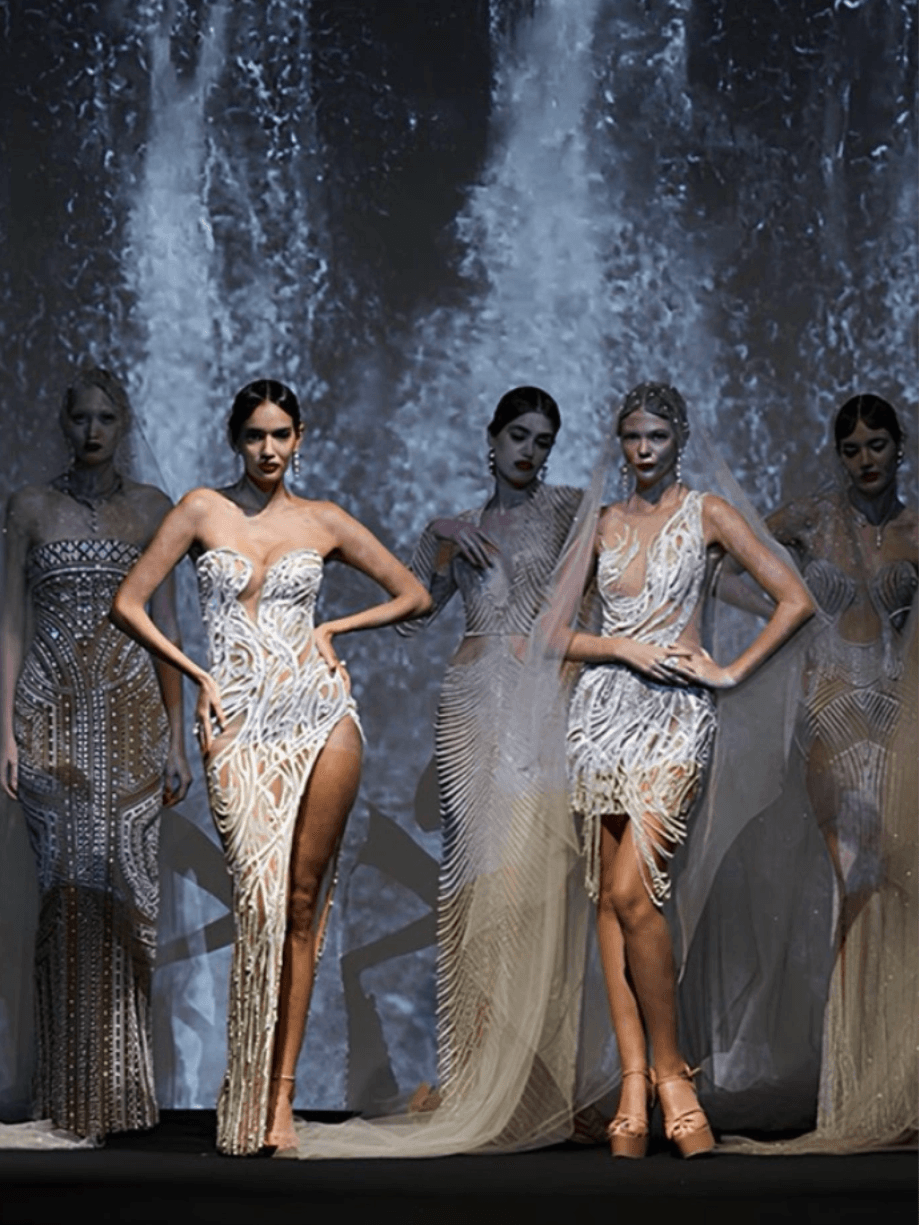
Recent editions of Dubai Fashion Week have attracted a growing number of international designers, buyers, and media, signaling a clear shift in the global fashion landscape. While traditional capitals like Paris and Milan remain dominant, Dubai is positioning itself as a gateway between East and West. The city’s appeal lies in its unique combination of luxury infrastructure, an international audience, and strong digital adoption. Unlike older fashion capitals, Dubai offers a faster and more flexible environment for emerging brands and creators to gain visibility. At the same time, industry experts note that the fashion ecosystem in the UAE is evolving beyond retail. It is no longer driven solely by shopping and tourism. Instead, there is a growing focus on storytelling, brand identity, and community driven influence.

However, this transformation comes at a time of increased pressure on the global luxury market. Fluctuations in tourism and regional uncertainty have impacted foot traffic in major shopping destinations across the UAE. As a result, brands are rethinking their strategies and investing more in digital channels and direct engagement with audiences. Social media and creator led platforms are playing a key role in this transition. Influencers and independent creators are no longer just promoting fashion. They are actively shaping trends and driving demand.
This shift is particularly visible in Dubai, where fashion is becoming more inclusive, diverse, and fast moving. Local designers are gaining international recognition, while global brands are adapting to the region’s unique aesthetic and consumer behavior.
The result is a hybrid fashion ecosystem where traditional runway shows coexist with digital influence, and where community engagement is becoming just as important as brand heritage.