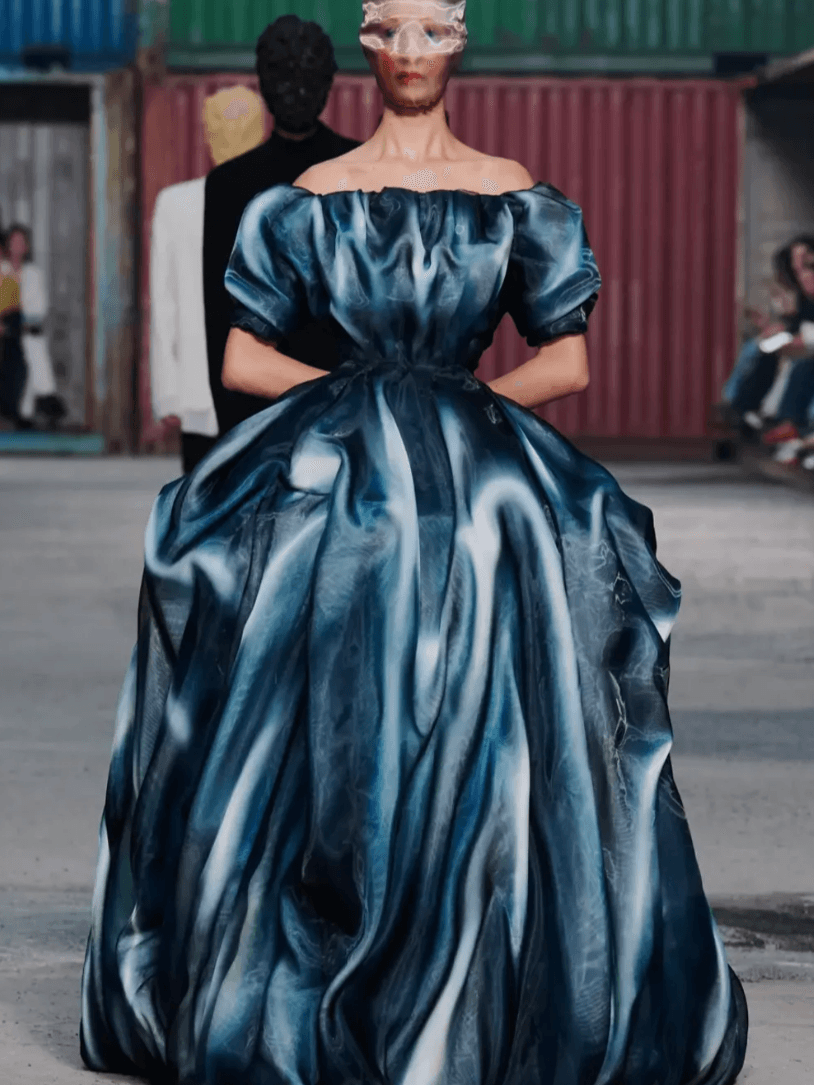
The latest show by Maison Margiela in Shanghai did more than present a new collection. It marked a visible shift in the geography of fashion power and in how fashion presents itself to the world.
For decades, the industry revolved around a familiar axis. Paris defined couture, Milan refined craftsmanship, and New York translated fashion into business. Shanghai existed within this system primarily as a market. That hierarchy is now changing.
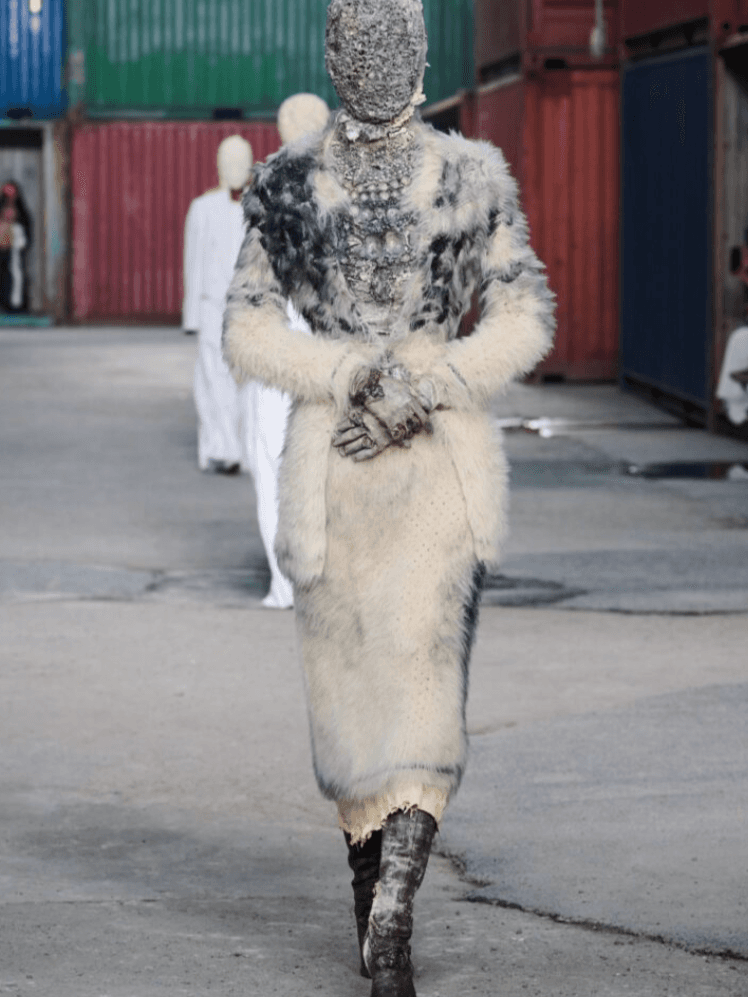
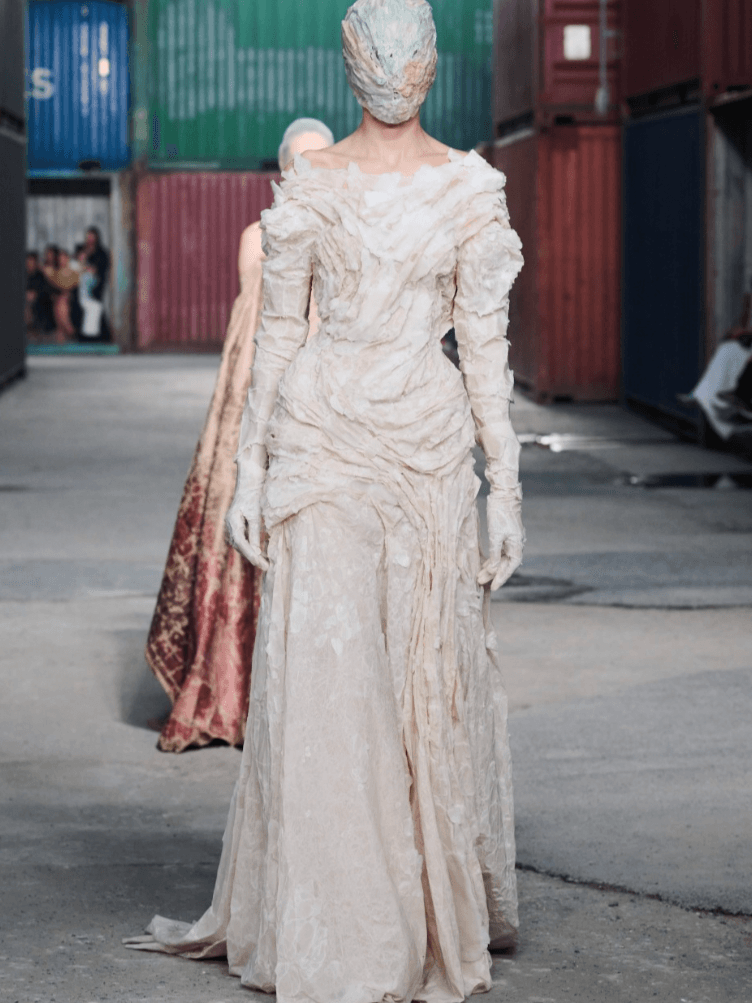
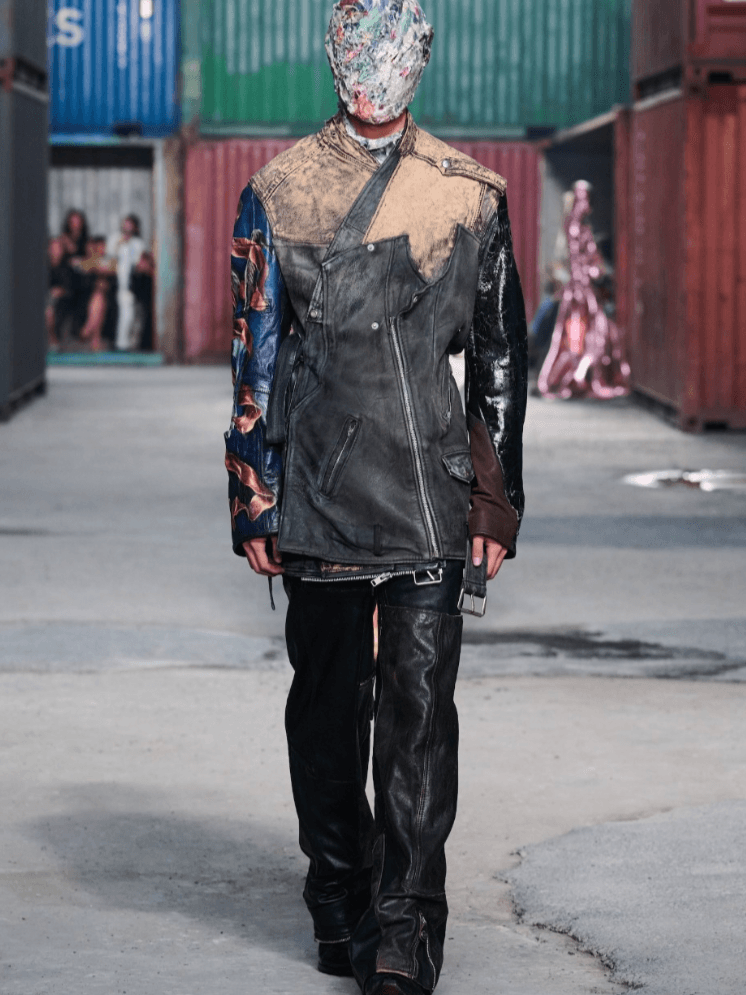
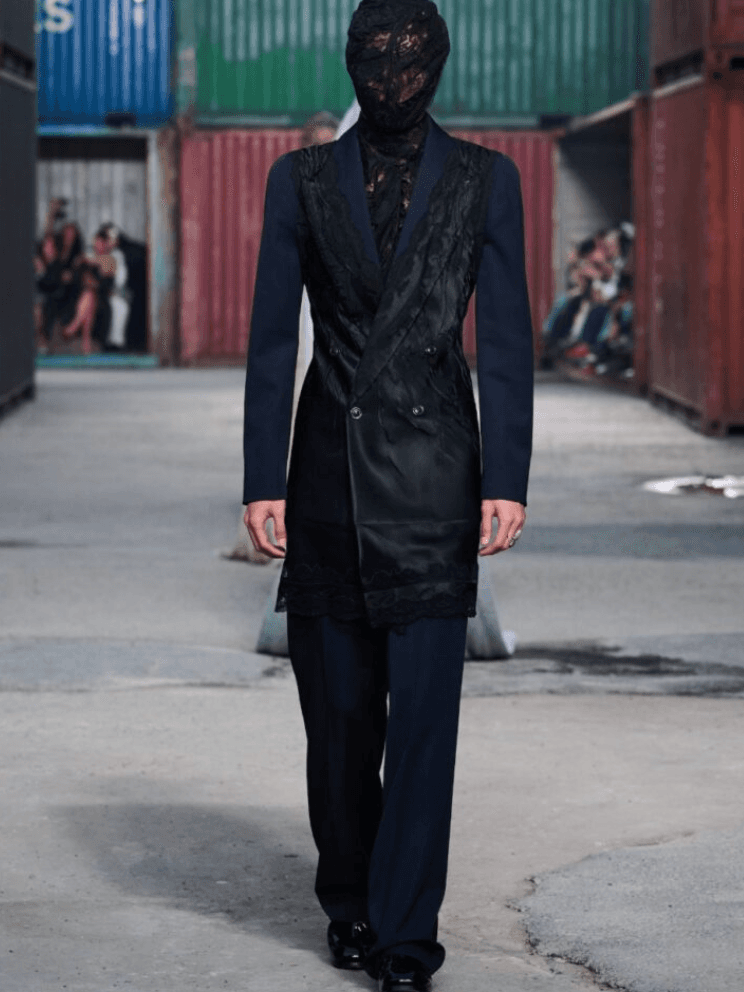
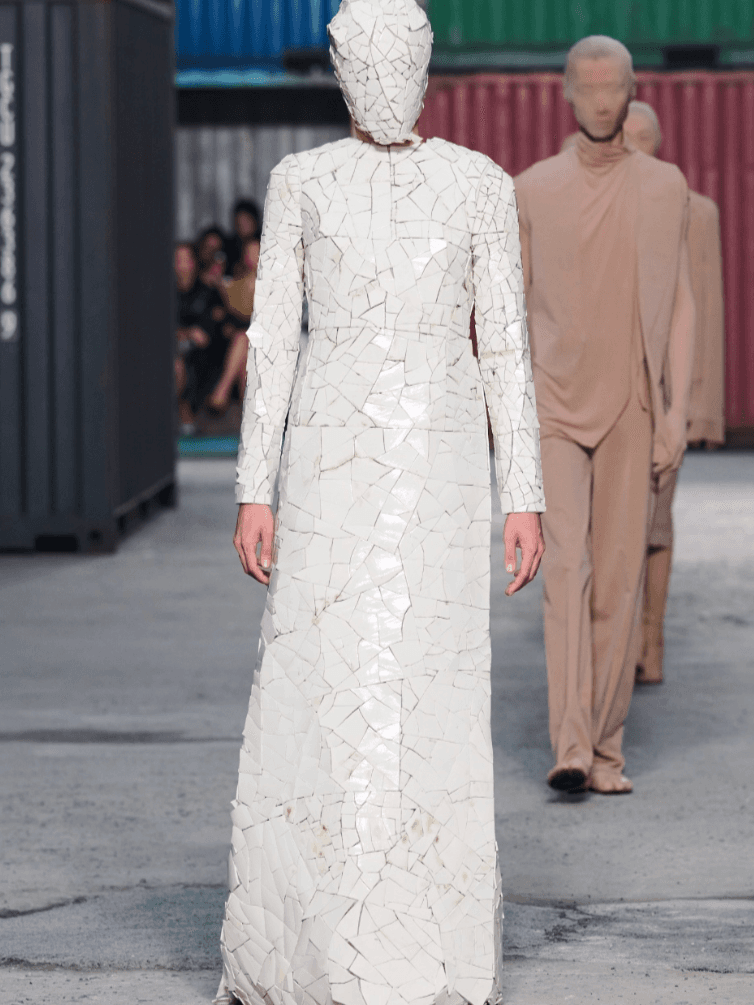
Margiela’s show made that shift tangible. Set against a backdrop of stacked shipping containers, the runway immediately broke with traditional notions of luxury staging. Instead of polished salons or historic venues, the brand chose an industrial environment that feels raw, structured, and unmistakably global. This choice was not accidental. It reframed the entire collection.
Shipping containers are one of the clearest symbols of globalization. They represent movement, scale, and the infrastructure that powers the modern economy. By placing couture within this setting, Margiela created a deliberate contrast between two worlds. On one side stands the uniqueness of high fashion. On the other stands the standardized system that carries it across the globe.
It is a tension the industry rarely acknowledges so openly.
Every luxury garment, no matter how exclusive, exists within a network of production and distribution. The containers quietly reveal that reality. They remove the illusion that fashion exists outside of commerce and position it firmly within it.
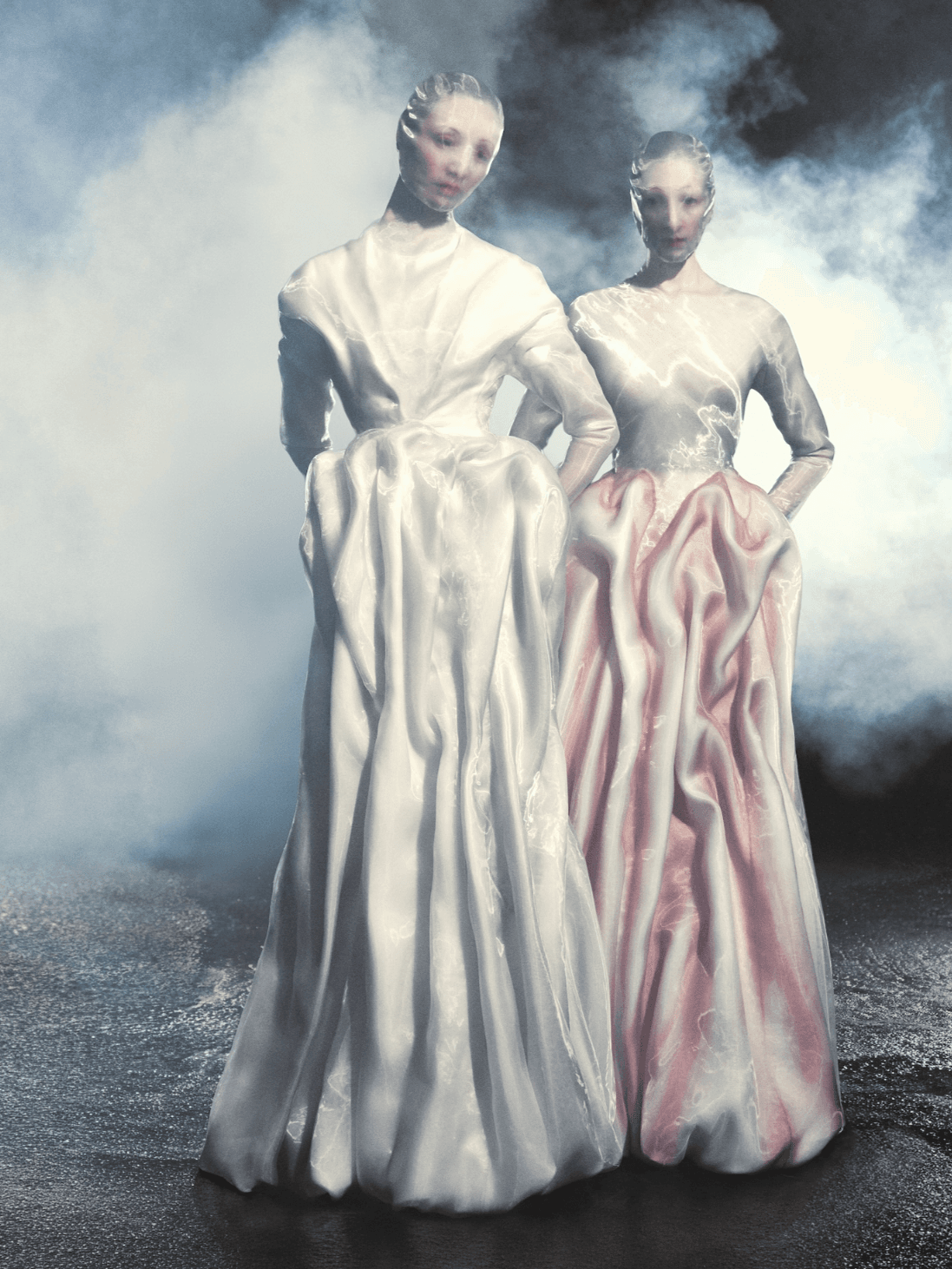
The location adds another layer of meaning. Shanghai is not just a backdrop. As one of the world’s most important port cities, it represents the intersection of cultures, markets, and global movement. The containers ground the show in this context and turn the set into a reflection of the city itself. Against this industrial landscape, the collection pushed toward extremes. Exaggerated silhouettes, sculptural forms, and heavy constructions blurred the line between clothing and installation. Some pieces felt engineered rather than simply designed, emphasizing volume, weight, and presence.
This approach aligns with a broader shift in fashion. Minimalism is giving way to expression, scale, and visual impact. The runway is becoming more theatrical, more cinematic, and more connected to real environments.
The message is clear. The center of fashion is no longer fixed.
Shanghai is not replacing traditional capitals, but it is no longer standing in their shadow. It is becoming a parallel stage where new ideas are tested and where the future of fashion takes shape in real time.
Brands that understand this shift early will not just follow the industry. They will help define where it goes next.