In her book The Wardrobe Project, financial behavior specialist Emma Edwards shares a radical experiment: a year without buying a single item of clothing. No browsing, no sales, no online checkout “just this once.” What began as an exercise in saving money gradually became something much bigger—a personal reckoning with identity, self-worth, and the weight fashion places on women’s bodies and minds.
Below is a reimagined exploration of one of the book’s central ideas: the damaging promise of looking “polished.”
The Word That Costs Women Billions
“Polished” is one of those words that sounds harmless. Compliment-like. Aspirational. But it carries weight—financial and emotional. Women routinely reach for it when shopping, quietly believing that the next purchase might finally deliver that elusive sense of looking “right.”
When women are asked why they buy what they buy, the answers are revealing. It is rarely about joy. Far more often, it is about smoothing away perceived flaws, hiding parts of the body, or creating the illusion of control. “This will flatter me” and “this will make me look polished” regularly rise to the top.
And yet, most women don’t actually feel that way once the clothes are hanging in their wardrobes.
The promise remains unfulfilled. The spending continues.
So What Does “Polished” Even Mean?
The word rarely comes with a clear definition. But its emotional meaning is loud and consistent: flawless, tidy, effortless, tasteful. It implies money. Status. Restraint. It suggests a soft superiority that never has to say its name.
Online, this idea has been rebranded as “old money” style—an aesthetic where neutral color palettes, minimal silhouettes, and apparent effortlessness stand in for wealth and inherited privilege. Social media feeds overflow with instructions on how to look “expensive” while asking nothing about whether what’s being sold is even achievable in real life.
The message is simple: dress correctly, and your life will look calmer, cleaner, better.
The Truth Nobody Says Out Loud
There is one requirement that almost always lurks beneath the surface of this fantasy: thinness.
The bodies most often used to demonstrate the “polished” look are narrow, small, and socially approved. Clothing behaves differently on these bodies. Fabric drapes differently. Trends photograph better. Simplicity looks more refined.
That doesn’t mean thin women automatically feel put together—but it does mean they sit closer to the version of polish being marketed.
Fashion rarely acknowledges this. Instead, it quietly reinforces the idea that if something doesn’t look right on you, the problem must be you.
Life Doesn’t Belong in the Picture
To look “polished” is to look untouched by life.
No sweat. No spills. No bent shoes. No creases. No exhaustion. No backpacks filled with everything you carry through the day. No evidence that you exist in the world rather than simply posing inside it.
Comfort becomes suspect. Practicality is downgraded. Human messiness is treated as something to be erased through fabrics, silhouettes, and shopping carts.
The result is an aesthetic that leaves no room for reality.
You Will Never Look Like the Image
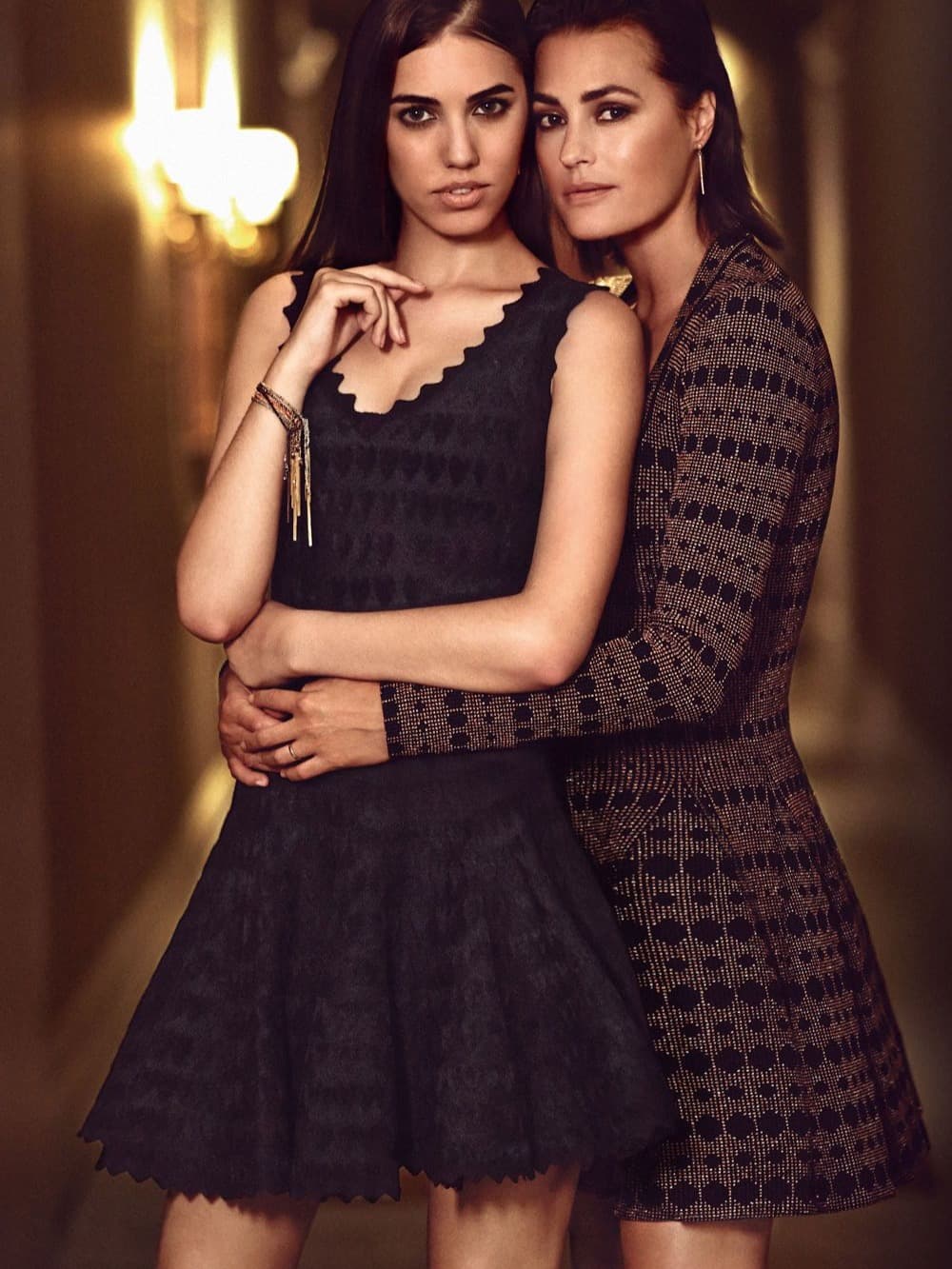
Most of what we aspire to comes from images—curated, lit, posed, edited. Clothes are clipped at the back for photos. Wrinkles are retouched. Bodies are positioned into impossible symmetry.
We view outfits in perfect stillness, on perfect frames, under perfect conditions. Then we wonder why they don’t behave the same way on us while we walk, work, sweat and live.
Even when no digital manipulation is involved, the circumstances themselves are artificial. No dinner, no deadlines, no gravity.
Escaping the Trap
The problem is not clothing. It is the belief that clothes can resolve discomfort with who we are.
“Polished” offers control in a world that feels volatile. It sells the idea that if you get your appearance right enough, your life might fall into line too.
But the truth is quieter and less marketable:
You don’t need to look curated to be legitimate.
You don’t need to erase yourself to look acceptable.
And you don’t need to be polished to be complete.
Sometimes the most honest thing you can wear is life itself—untidy, moving, unfinished.