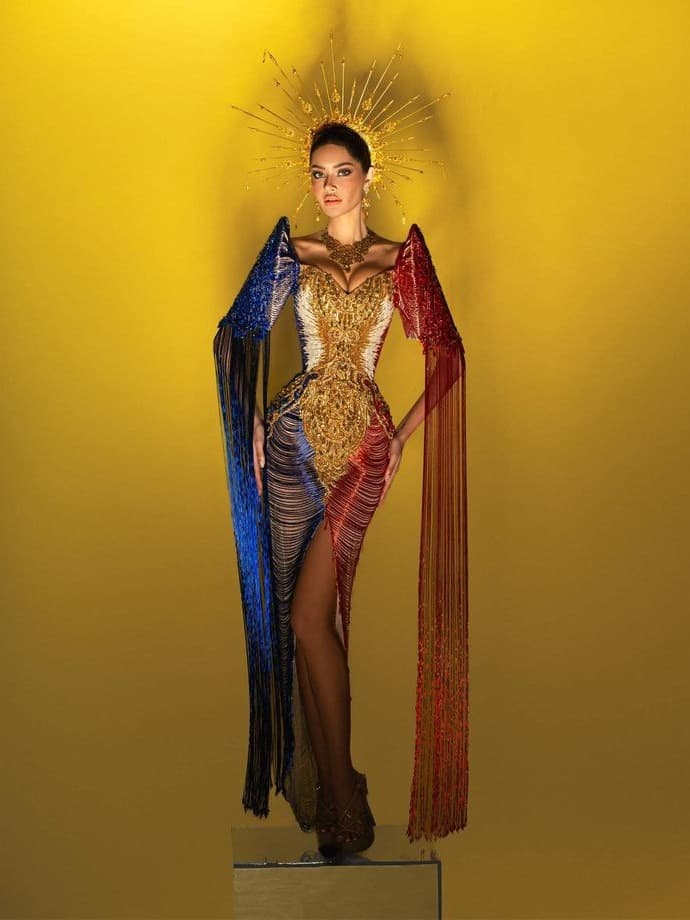
In recent seasons, Filipino designers have been redefining global fashion by bringing ancestral techniques into contemporary design. What once lived in villages, ceremonies, and family traditions is now reappearing on runways as tailored silhouettes, dramatic gowns, and modern streetwear. Each collection carries more than visual beauty — it carries memory, community, and meaning.
From heritage weaving to couture
Traditional Filipino textiles are at the heart of this movement. Handwoven fabrics made of pineapple fiber, cotton, banana fiber, and silk are being transformed into garments that speak both of the past and the present. Each thread holds centuries of skill passed down through generations, once used for everyday life and ritual clothing, now reimagined for international audiences.
Designers preserve the integrity of these textiles while reshaping them into modern forms. Sharp tailoring offsets fragile fibers, metallic accents meet organic textures, and classic patterns are enlarged or abstracted. The result is a new visual language where heritage feels progressive rather than nostalgic.
Fashion as identity and voice
For many creators, fashion is more than art — it is storytelling. Clothing becomes a language that expresses history, struggle, celebration, and pride. By placing indigenous fabrics on the global stage, designers reclaim narratives often overlooked and give visibility to communities whose craft has long existed without recognition.
This approach transforms fashion into a quiet form of activism. It challenges ideas of luxury by proving that true value lies not only in labels, but in human hands, lived experience, and cultural depth.
The future shaped by tradition
Filipino designers are building a future where innovation and heritage coexist. Their work proves that tradition is not a limitation — it is a foundation. By weaving the past into the future, they show that culture, when respected, becomes timeless.