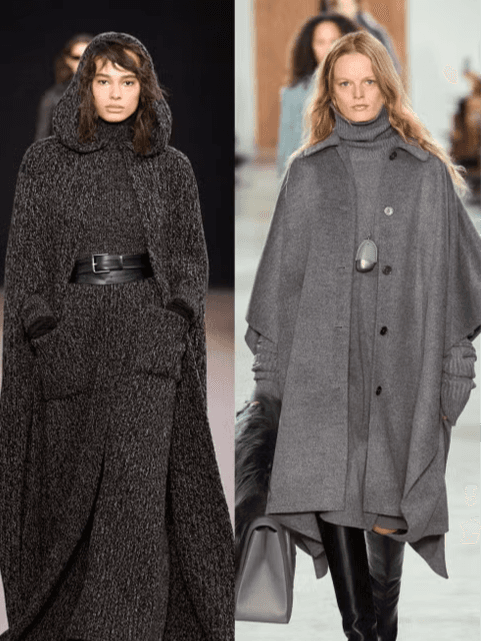
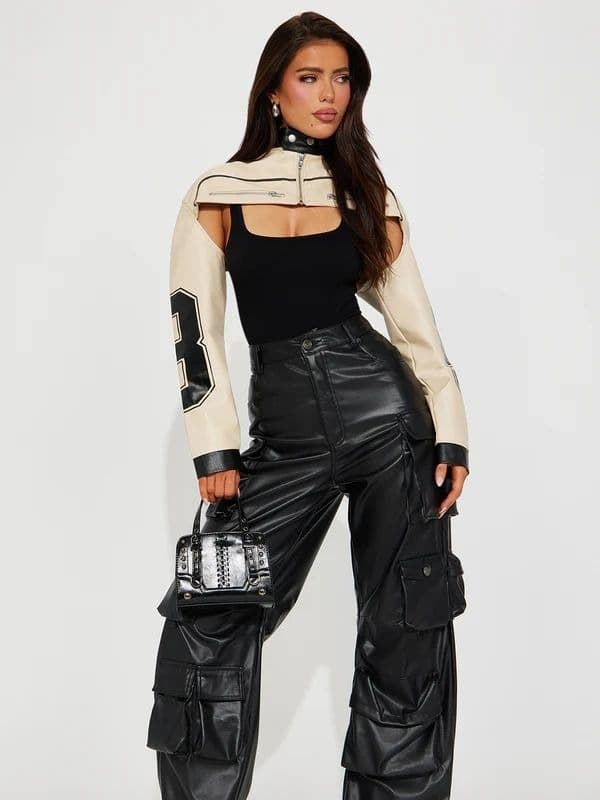
British fashion has long been associated with independent thinking, bold ideas, and the ability to unite tradition with avant-garde experimentation. From aristocratic classics to punk rebellion and contemporary innovation, the UK has given the world brands that have shaped the global fashion agenda. Below are five key British labels without which it is impossible to imagine the history of modern fashion.
Burberry
The Burberry brand was founded in 1856 in Basingstoke by Thomas Burberry. Initially, the company focused on functional outerwear, and its most important invention was gabardine — a dense, water-resistant fabric that revolutionized the production of coats and rainwear.
In the early 20th century, Burberry became an official supplier to the British army. It was during this period that the iconic trench coat emerged, later evolving into a symbol of elegant utility. Over time, the brand secured its status as a national fashion institution, while the signature Burberry Check became one of the most recognizable patterns in the world. Today, Burberry remains a key player in the luxury segment, combining British heritage with contemporary design.
Alexander McQueen
The Alexander McQueen fashion house was founded in 1992 by designer Lee Alexander McQueen, a graduate of Central Saint Martins and one of the most influential figures in the history of British fashion. From the very beginning, the brand established itself as provocative and conceptual, challenging traditional ideas of beauty.
McQueen’s runway shows quickly became theatrical performances, and his collections visual manifestos in which complex tailoring met historical references and emotional intensity. After the designer’s death in 2010, creative leadership passed to Sarah Burton, who preserved the brand’s DNA while making it more refined and wearable. Today, Alexander McQueen represents a powerful fusion of high fashion, art, and British audacity.
Stella McCartney
The Stella McCartney brand was founded in 2001 by designer Stella McCartney, daughter of musician Paul McCartney. After serving as creative director at Chloé, she launched her own label with a clear philosophy: luxury fashion without the use of leather or fur.
Stella McCartney became one of the first major brands to systematically develop sustainable fashion. Eco-friendly materials, production transparency, and an ethical approach became the foundation of the brand rather than a passing trend. At the same time, its aesthetic remains polished and modern, ranging from impeccably tailored suits to minimalist eveningwear. Today, the brand is considered a flagship of sustainable luxury on the global fashion scene.
Vivienne Westwood
Vivienne Westwood is a brand created by designer Vivienne Westwood in the early 1970s in London. Its origins are closely tied to the punk movement and counterculture, and its early collections radically challenged conventional notions of fashion.
Westwood used fashion as a tool of protest, blending historical dress, corsetry, tartan, and provocative slogans. Over time, the brand evolved without losing its rebellious spirit. Vivienne Westwood had an immense impact on British fashion, proving that clothing can function as a powerful political and cultural statement.
JW Anderson
The JW Anderson brand was founded in 2008 by designer Jonathan Anderson. Originally conceived as a menswear label, it quickly evolved into a platform for experimentation with form, volume, and gender codes.
JW Anderson has become one of the key voices of a new generation of British designers. Its collections blur the boundaries between menswear and womenswear, while unconventional proportions and a conceptual approach have made the brand a favorite among fashion critics. Alongside his own label, Anderson serves as creative director of Loewe, further strengthening his influence on contemporary fashion.