Fashion moves faster than ever — and that’s not a good thing. Trends rise and fall at lightning speed, and what’s “in” today can become a joke tomorrow. For people who genuinely love style, this constant cycle is exhausting.
But the real issue isn’t just about taste or self-expression. It’s about impact. Fast fashion drains your wallet, encourages overconsumption, and — most dangerously — harms the planet.
Environmental Cost of Cheap Clothing
According to studies by Earth.org and the David Suzuki Foundation, the fashion industry accounts for about 10% of global carbon emissions. Much of that comes from producing synthetic fabrics like polyester, which are made from fossil fuels. The process of manufacturing these materials releases enormous amounts of carbon dioxide into the atmosphere.
And it doesn’t stop there. The fashion industry is also one of the biggest consumers of water — using up to 700 gallons to produce a single shirt. Business Insider reports that textile dyeing is the second-largest source of water pollution in the world. Toxic dyes often end up in rivers and oceans, affecting ecosystems and communities downstream.
The Landfill Crisis
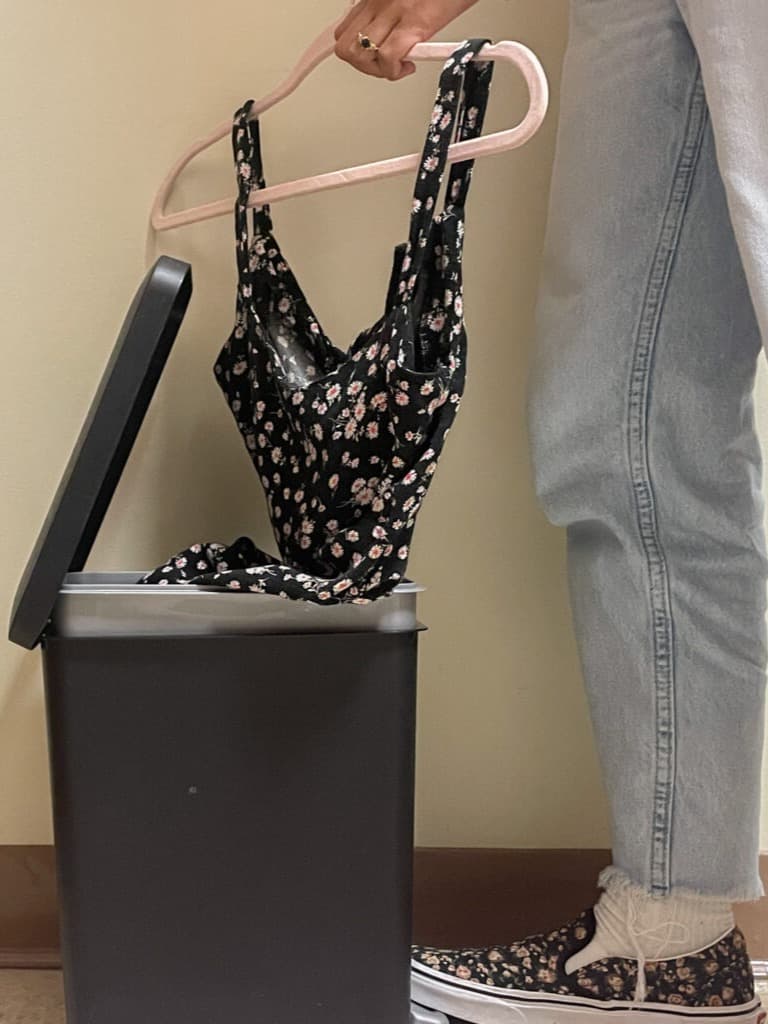
The faster trends move, the quicker clothes lose their value. Low-quality garments are discarded just as quickly as they’re bought. Many people don’t donate or recycle their clothes — they simply throw them away.
The David Suzuki Foundation estimates that nearly 87% of all clothing fiber ends up in landfills. These materials take decades to decompose, releasing greenhouse gases and microplastics into the environment.
How to Break the Cycle
It’s time to slow down and be more resourceful. The easiest step? Use what you already own.
You don’t need a new outfit for every occasion. Wear your favorite pieces more often. If something tears, try to repair it. Learning to sew or patch holes can give clothes a second life — and it’s surprisingly satisfying.
Fashion doesn’t have to mean constant consumption. Personal style can come from creativity, not quantity.
Thrifting and Donating
When you really do need something new, try thrifting. It’s affordable, sustainable, and often full of hidden gems. You might even find better quality items than in fast fashion chains.
On the other hand, if your closet is overflowing, don’t toss your clothes in the trash. Donate them to local shelters or charities. What no longer fits your life might be exactly what someone else needs.
The Bigger Picture
At the end of the day, sustainability is not just about clothing — it’s about responsibility.
We all share this planet, and fashion should reflect respect for it. Choosing slower, more thoughtful ways to dress is one small but meaningful step toward a healthier world.