Italian insulation specialist Thermore continues to expand its role within the fashion sector, reinforcing its position beyond technical performance wear and moving deeper into contemporary fashion and lifestyle collections.
Founded in Milan in 1972, Thermore initially built its reputation supplying thermal insulation for sports and outdoor apparel. Over time, however, the boundaries between performance and fashion have increasingly blurred. Today, fashion represents the company’s largest market, reflecting a broader industry shift toward functional materials that do not compromise on design.
From Technical Supplier to Ingredient Brand
Thermore is positioning itself as an “ingredient brand,” elevating insulation from a hidden component to a recognisable value driver within garments. Rather than operating solely behind the scenes as a material supplier, the company aims to make its technology visible and meaningful to end consumers, aligning technical innovation with brand storytelling.
This strategy allows fashion labels to integrate performance credentials into their collections while responding to growing consumer demand for quality, durability, and responsible production.
Collaboration with Jaked for AW25
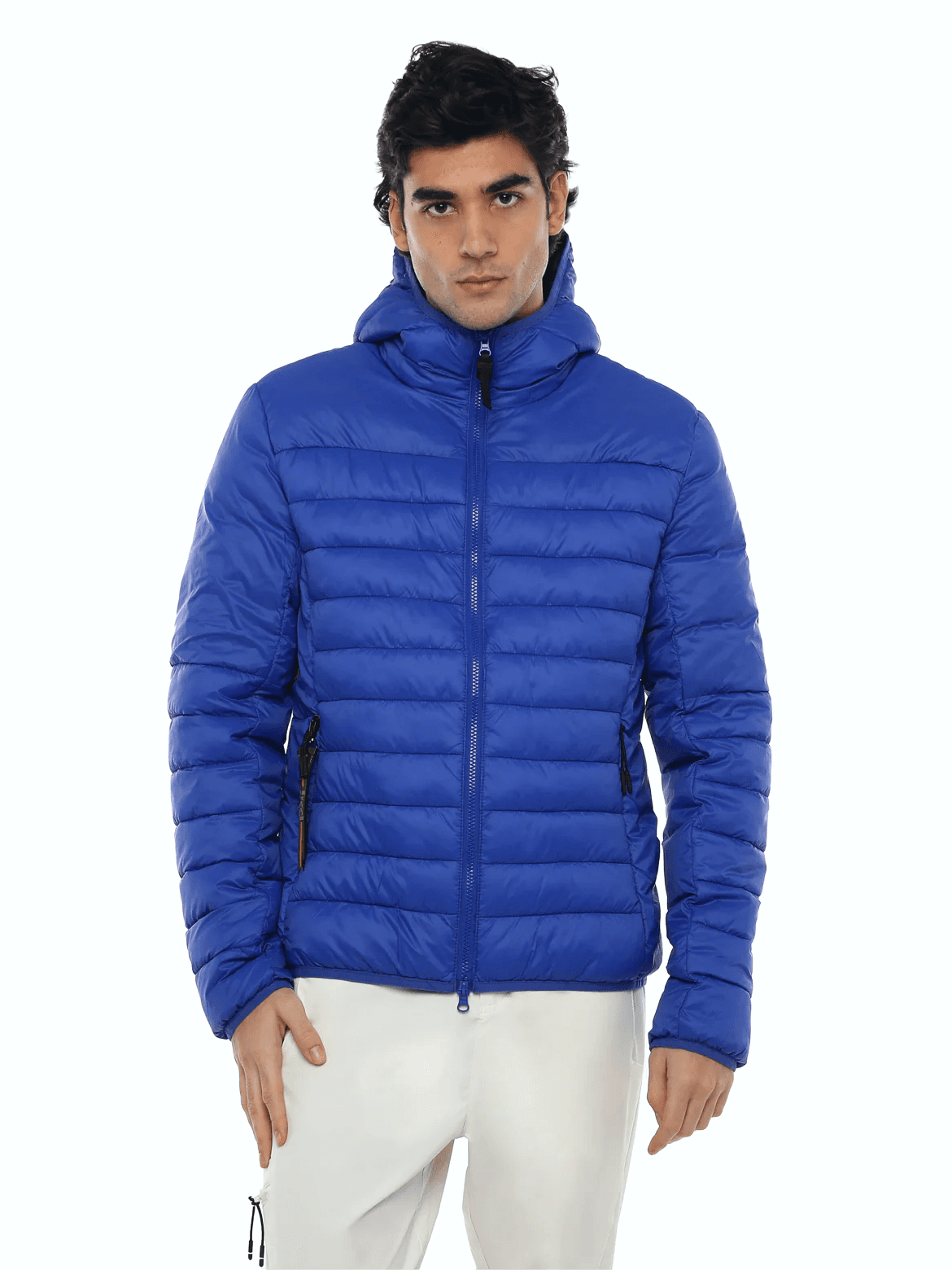
As part of this expansion, Thermore has partnered with Jaked on the brand’s Autumn Winter 2025 outerwear collection. The collaboration features the Impact Evo jacket, insulated with Thermore’s Ecodown Fibers Ocean technology.
The material is certified by bluesign and OEKO-TEX and is produced using recycled fibers derived from ocean plastics and PET bottles, combining thermal performance with a reduced environmental footprint.
Global Footprint and Market Focus
Thermore generates annual revenues of approximately €13 million, with its strongest markets in Europe and the United States. Asia currently accounts for around 10 percent of sales, primarily driven by demand in South Korea and Japan. While the company’s headquarters and research activities remain in Italy, around 90 percent of production takes place in the Far East, where most insulated garments are manufactured.
Sustainability at the Core
Sustainability remains central to Thermore’s long-term strategy. The company has avoided the use of animal down for decades, instead investing in synthetic alternatives and recycled materials since the 1980s. Today, roughly 98 percent of Thermore’s insulation products are made from recycled fibers.
Company leadership has also voiced concerns about the environmental impact of fast fashion, advocating for a more responsible approach focused on longevity, material innovation, and thoughtful design.
Looking Ahead
By strengthening collaborations with fashion brands and promoting insulation as a visible, value-adding element, Thermore is redefining its role within the industry. The company’s evolution reflects a wider transformation in fashion, where performance, sustainability, and aesthetics increasingly coexist within the same garment.