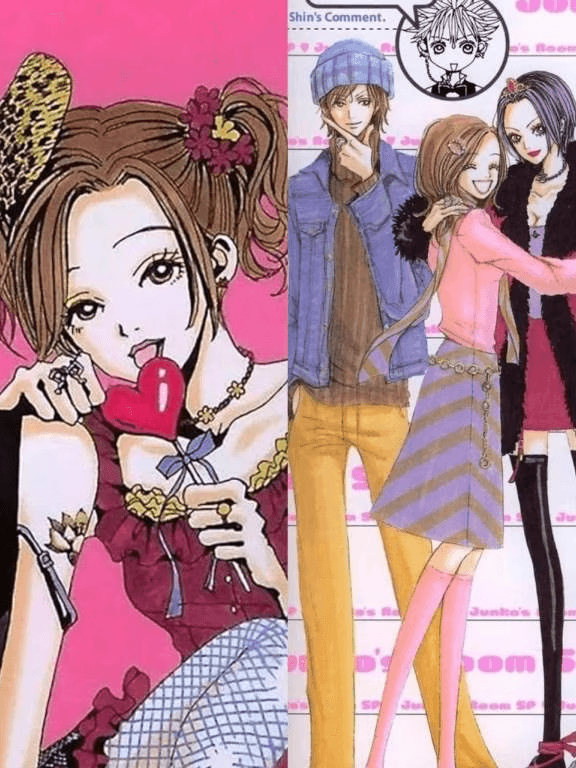
For many who grew up on anime and manga, girlhood is inseparable from the stories that shaped imagination—Bratz, Sailor Moon, and, among them, Nana. Nearly twenty-five years after Ai Yazawa first introduced her slice-of-life manga, its aesthetic power remains undeniable. Nana continues to influence fashion communities online, inspiring trend-spotters who trace its punk-romantic style through digital archives and social feeds.
At the heart of its longevity is the contrast between its two heroines. Nana Osaki embodies punk glamour—leather jackets draped over slip dresses, fishnets, chokers and platform shoes that make her silhouette sharp and striking. Nana Komatsu represents its opposite: soft femininity expressed through puff sleeves, Mary Janes, cosy knits and pastel tones. Together, steel and softness form a visual language that resonates on the page and on-screen.
Vivienne Westwood at the centre of Nana’s style universe
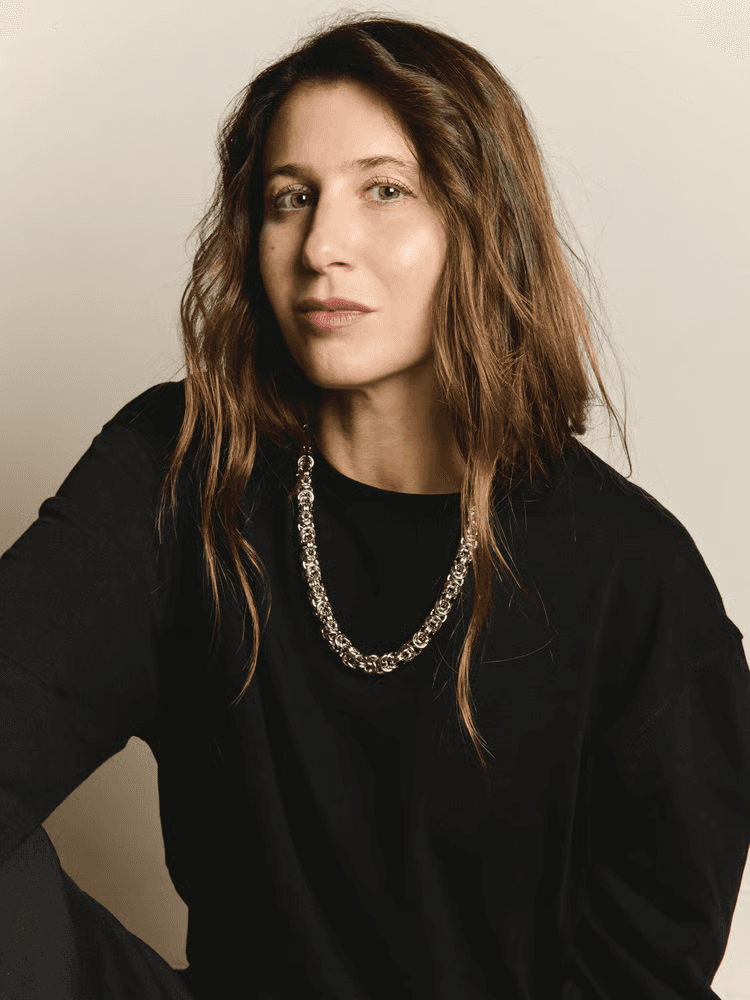
Few designers shaped Nana’s fashion vocabulary as profoundly as Vivienne Westwood. Vogue content editor Karen Leong describes the anime’s aesthetic as a fusion of British punk heritage and Japanese street style, deeply rooted in the Westwoodian punkette spirit and the Harajuku subcultures of the early 2000s. She notes that anyone familiar with contemporary fashion imagery has encountered Nana’s influence—whether they realise it or not.
Westwood’s impact on Nana Osaki is unmistakable. Plaid, corsetry and sharply structured tailoring echo the designer’s autumn/winter 1990–1991 Portrait collection and her Anglomania era. These elements created silhouettes that felt rebellious yet refined. The Rocking Horse platform shoes, one of Westwood’s hallmarks, appear throughout the series, paired with ripped tights, leather outerwear and tartan minis to amplify Osaki’s punk persona. Her iconic Armour ring becomes an almost permanent accessory in the manga.
A softer dialogue through Komatsu’s wardrobe
Beyond Osaki, Westwood’s theatrical sensibilities inform Nana Komatsu’s softer looks. Corseted tops, sweetheart necklines and delicate layering reinterpret punk elements through a romantic lens. Yazawa used these garments to create a dynamic contrast between the two Nanas, transforming Westwood’s anarchic energy into a fashion language that feels personal and lived-in.
Today, the relationship between Nana and Vivienne Westwood continues to flourish. The brand recently released an exclusive collaboration with Yazawa, reimagining garments and accessories that appear throughout the series. Tartan minis, sculptural jewellery and heart-shaped details—most notably the viral Saturn orb necklaces—carry forward the punk-romantic duality that defines the story.
Nana’s ongoing influence on modern femininity
For Karen Leong, Nana’s legacy remains deeply personal. She sees reflections of her own style in both protagonists: the tension between harsh lines and soft silhouettes, the mix of fur and glossy fabrics with structured tailoring. Nana's exploration of femininity through contrast continues to inspire her aesthetic choices as a stylist.
Ai Yazawa, she says, created fashion history. Nana’s world is as relevant today as when it first debuted, circulating through new generations of fans, designers and fashion enthusiasts. Its rebellious elegance lives on—not just as nostalgia, but as a living archive of style inspiration.