The Metropolitan Museum of Art has revealed early details about the Costume Institute’s 2026 exhibition, and the concept signals a thoughtful shift in how fashion will be presented and discussed. Rather than centering on a single designer or historical era, the exhibition will focus on fashion as a form of art in its own right.
This approach reflects a growing recognition of clothing not only as craft or commerce, but as an expressive medium shaped by ideas, symbolism, and artistic intention.
Fashion Beyond Wearability
The 2026 exhibition will explore garments that challenge traditional ideas of function. These are pieces created to provoke emotion, raise questions, or exist primarily as visual statements rather than everyday attire.
By framing fashion within an artistic context, the Costume Institute aims to highlight the conceptual processes behind design. Visitors will be encouraged to view garments the same way they would sculptures or paintings, focusing on form, material, and meaning.
Redefining the Costume Institute Narrative
For decades, the Costume Institute has balanced spectacle with scholarship. This upcoming exhibition leans more deliberately toward theory and interpretation, reinforcing the idea that fashion belongs within broader cultural and artistic conversations.
The show is expected to draw connections between fashion, fine art, and contemporary creative practices, offering a layered experience that appeals to both fashion enthusiasts and museum audiences.
A Natural Evolution for the Met Gala
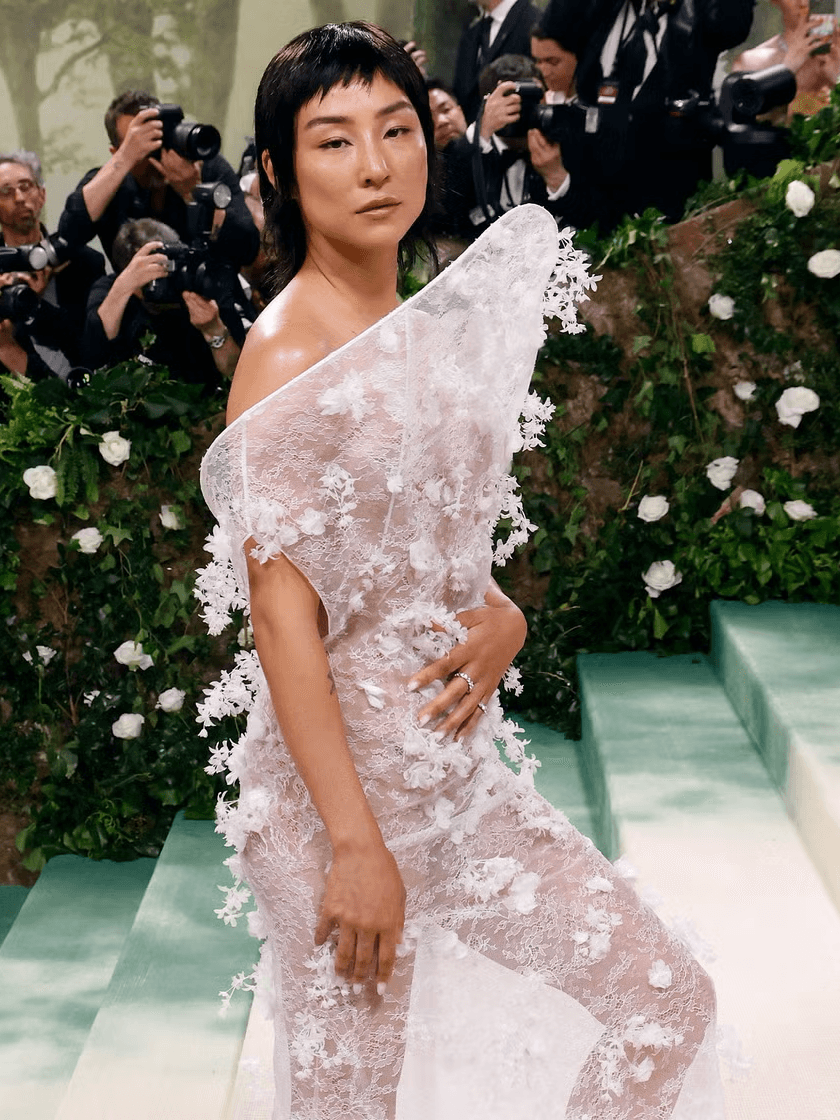
Although the exhibition itself will stand independently, its theme is likely to influence the annual Met Gala. By emphasizing fashion as art, the 2026 gala may encourage more conceptual interpretations and experimental design choices on the red carpet.
This alignment between exhibition and event underscores the Costume Institute’s role in shaping not only museum discourse but also global fashion culture.
Fashion as Cultural Expression
The announcement confirms a broader shift within the industry and institutions alike. Fashion is increasingly viewed as a powerful cultural language, capable of conveying identity, politics, and emotion.
With its 2026 exhibition, the Costume Institute positions itself at the center of this conversation, inviting audiences to reconsider what fashion is—and what it can be.