If you were part of the online fashion community between 2007 and 2018, the name Polyvore likely brings back a wave of nostalgia. It was more than a website; it was a daily ritual for millions of aspiring stylists, teenagers, and fashion lovers. It defined an era where we curated our taste through digital scissors and glue.
But the internet changes fast. When Polyvore abruptly shut down in 2018, it left a void. For years, users scrambled to find a direct clone—a place to build collages on white backgrounds.
However, as we move through 2025, the way we consume fashion has fundamentally shifted. We no longer just want to dream about outfits; we want to see them lived in.
This article explores the history of Polyvore, why it was a phenomenon, and why LookBerry represents the logical evolution of fashion discovery today: moving from digital fantasy to authentic, shoppable street style.
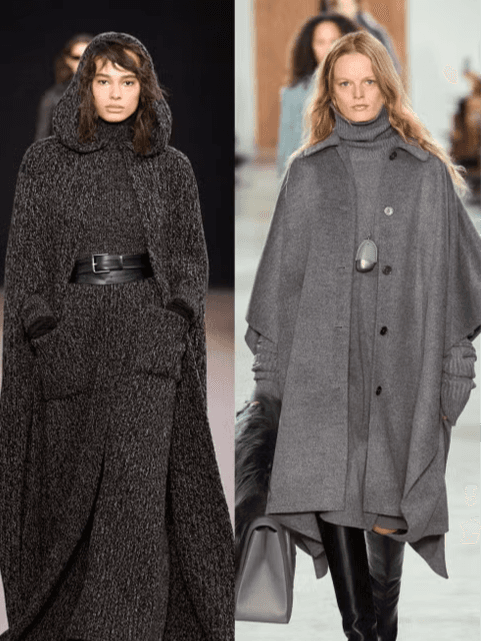
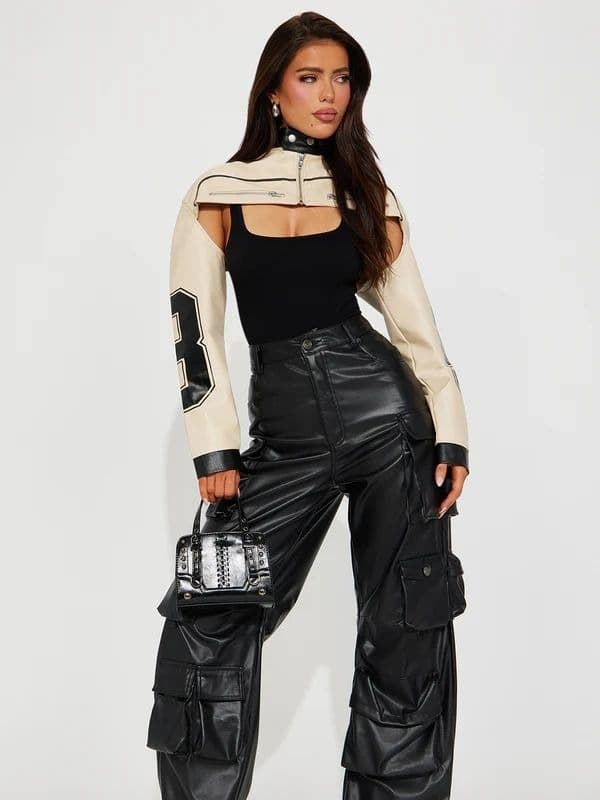
Polyvore (Left) vs. LookBerry (Right): From Collage to Reality

What Was Polyvore? (The Era of Digital Art)
To understand the present, we must honor the past. Polyvore was a "social commerce" platform founded by former Yahoo engineers. Its core mechanic was the "Set"—a digital collage.
Users utilized a browser tool to "clip" images of clothing, shoes, and furniture from any online store. They would then drag these items onto a digital canvas, arranging them into beautiful compositions. You could pair a $5,000 dress with $50 sneakers, add a background of a rainy Paris street, and overlay text quotes.
Why was it popular?
- Democratization: You didn’t need to own the clothes to style them. It allowed anyone to play the role of a Vogue editor.
- Traffic Machine: For retailers, it was a goldmine. Every item in a collage was a clickable link.
- Community: It had contests, likes, and groups. It was a safe haven for creatives.
But Polyvore had a limitation that became more apparent as social media evolved: It wasn't real. A dress might look perfect next to a bag in a 2D collage, but in real life, the textures might clash, or the fit might be awkward. It was "Fashion Theory," not "Fashion Practice."
The Shift to "Realness"
When Polyvore vanished (acquired and shut down by SSENSE), the fashion world was already changing. Instagram and TikTok were rising. People stopped caring as much about polished, magazine-style layouts and started caring about Authenticity.
We stopped asking: "Does this skirt look good in a collage?"
We started asking: "How does this skirt fit on a body type like mine? How does it move? How do you actually style it for a coffee run?"
The era of the "Moodboard" gave way to the era of the "Look."
Enter LookBerry — The Platform for Real Style
This is where LookBerry enters the conversation. While many sites tried to clone Polyvore’s collage tools, LookBerry took a different, more modern path.
LookBerry understands that in 2025, inspiration comes from people, not just product images. It is a platform dedicated to Shoppable Street Style and OOTD (Outfit of the Day) culture.
How LookBerry Works
Instead of a digital canvas, your canvas is reality.
- Upload: Creators, brands, and fashion enthusiasts upload high-quality photos of real outfits.
- Tag & Connect: The unique engine allows users to place "tags" on specific items in the photo (e.g., the jacket, the boots).
- Shop: Viewers can click these tags to see the brand, the price, and go directly to the store to purchase.
Why LookBerry is the "Glow Up" You Needed
If you are a former Polyvore user, you might miss the artistic aspect of making sets. But here is why transitioning to LookBerry is a powerful move for your fashion journey:
1. Context is King
On Polyvore, items floated in white space. On LookBerry, you see the context. You see how a trench coat pairs with denim in natural lighting. You see how accessories interact with the neckline. LookBerry solves the "Expectation vs. Reality" problem by showing you the reality first.
2. A Tool for Personal Branding
Polyvore made you a digital artist. LookBerry makes you a Influencer and Stylist. By posting your real looks, you build a personal brand. You show the world not just what you like, but how you dress. For aspiring fashion bloggers, LookBerry is a portfolio builder that proves your taste is applicable to real life.
3. The "Treasure Hunt" Experience
LookBerry aggregates thousands of brands. Exploring the feed feels like people-watching in the most stylish districts of London, New York, or Milan. You might spot a brand you’ve never heard of because a user tagged it in their photo. This organic discovery is something algorithms on big marketplaces can’t replicate.
4. True Social Commerce
For brands and designers, LookBerry is an invaluable ecosystem. It’s not just an ad; it’s User Generated Content (UGC). When a user uploads a photo wearing a specific brand and tags it, it serves as social proof. It tells other users: "This product is real, it looks good, and here is where you get it."
Conclusion
We will always remember Polyvore fondly. It taught a generation how to mix colors and visualize concepts. It was the perfect playground for the imagination.
But fashion is meant to be worn. It is meant to be seen on the streets, at parties, and in the mirror.
LookBerry picks up where Polyvore left off, taking that spirit of community and curation and applying it to the real world. It bridges the gap between seeing an image and owning the look.
If you are ready to stop dreaming and start styling, it’s time to join. Whether you are a brand looking to showcase your collections or a fashionista ready to share your OOTD, this is your place.
It's time to show what you've got. Create your profile and publish your first look.