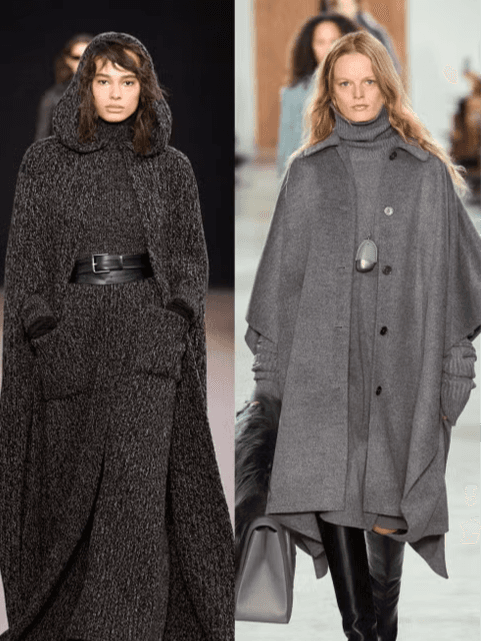
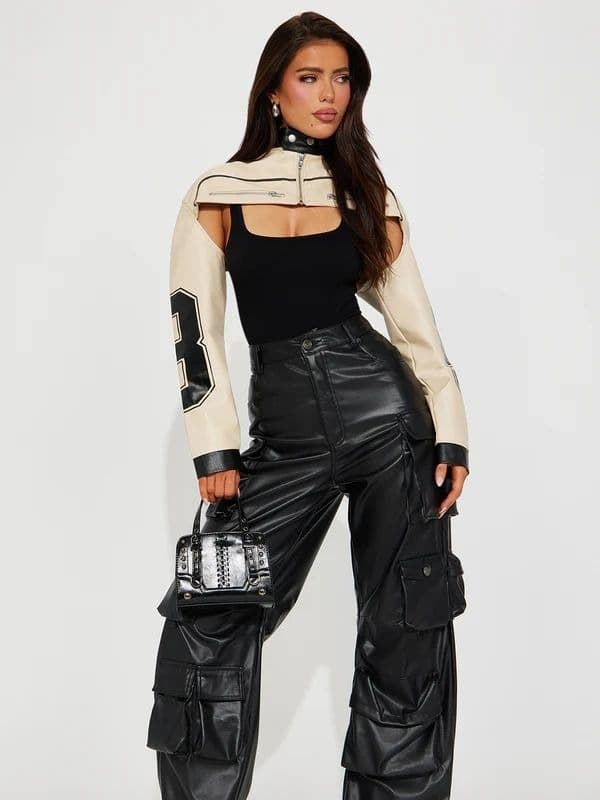
Few phenomena have reshaped the fashion landscape as dramatically as fast-fashion. From the late 1990s onward, it has redefined the way people buy, wear, and think about clothes. The fast fashion industry thrives on speed: sketch to store in weeks, trends copied almost instantly, and prices low enough to keep wardrobes constantly refreshed. For many consumers, this democratized access to style felt revolutionary. Yet for critics, it symbolized a reckless business model prioritizing quick fashion profits over long-term sustainability.
As we approach 2025, the conversation is shifting. Emerging fashion brands 2025 are responding to the mounting backlash, while traditional fast fashion brand leaders are forced to rethink their strategies amid growing scrutiny. To understand where the industry is heading, we must look at how did fast fashion start, why it became such a dominant force, and what fashion trends in the future may look like under growing ethical and environmental pressures.

What Is Fast Fashion?
The fast fashion definition can be summarized as the production of inexpensive, trend-driven clothing at unprecedented speed. Unlike traditional seasonal collections, fast fashions churn out weekly or biweekly drops designed to mimic runway looks or viral internet styles.
Fast fashion co giants such as Zara, H&M, Forever 21, Boohoo, and Shein have become household names. Their strategies focus on compressing design and supply chain cycles, allowing them to produce new pieces faster than competitors. This model enables them to dominate the list of fastest growing clothing brands, with Shein in particular leveraging algorithms and real-time consumer data to launch thousands of items daily.
While some call it fasta fashion or even fast fassion in casual conversation, the phenomenon is unmistakably global. It isn’t just about affordability—it’s about access to the latest looks, regardless of geography or income.
How Did Fast Fashion Start?
To answer when did fast fashion start, we need to trace the evolution of global retail. For much of the 20th century, fashion cycles were slow. Designers produced two to four collections a year, buyers placed orders months in advance, and clothing production was relatively localized.
The turning point came in the late 20th century, when globalization shifted manufacturing to countries with cheaper labor. Spanish brand Zara is often credited with pioneering the modern model, introducing a rapid supply chain system that could deliver new designs from factory to store in under a month. By the early 2000s, H&M and Forever 21 had adopted similar practices, and the fastfashion movement took hold.
So, how long has fast fashion been around? In its current form, roughly three decades. Yet the pace has only accelerated with digital retail. Shein’s rise represents the ultra-fast fashiion wave, where entire microtrends can materialize and vanish in a matter of weeks.

The Appeal and the Problems
The allure of quick fashion lies in affordability and immediacy. For young shoppers, it offers the thrill of wearing what they just saw on Instagram without waiting or spending luxury-level prices. Articles about trends in fashion often point out that Gen Z consumers are particularly vulnerable to this “see now, buy now” culture.
But the downsides are profound. The most pressing fast fashion problems include:
- Environmental degradation: The fast fashion industry is responsible for around 10% of global greenhouse gas emissions. Textile dyeing is among the world’s largest polluters of clean water.
- Waste: Up to 85% of textiles produced each year end up in landfills, according to fashion industry articles. Many fast fashions are designed to last only a few washes before falling apart.
- Labor issues: Garment workers in countries like Bangladesh and Cambodia often face dangerous conditions and wages below living standards. Articles on fast fashion regularly document these injustices.
- Consumer fatigue: The question of how long do fashion trends last is shrinking rapidly. Where once a silhouette might dominate for years, today it might survive only a season—or a TikTok cycle.
These are not abstract challenges but systemic flaws built into the very DNA of fast fashion brand models.
The Role of Social Media
No fast fashion article would be complete without discussing social media’s role. TikTok hauls, Instagram outfit posts, and YouTube “unboxing” videos have created an endless appetite for newness.
Articles about trends in fashion highlight how influencers can popularize a style overnight. Fast fashion articles often point to cases where a viral outfit sparks mass demand, with Shein or Boohoo replicating it in days. This digital environment accelerates not only consumption but also obsolescence.
The pressure to remain relevant contributes to both consumer burnout and the industry’s overproduction problem. It raises a critical question: how long do fashion trends last when platforms reward constant novelty?
Fastest Growing Clothing Brands and Their Tactics
The fastest growing clothing brands share common traits: supply chain agility, digital-first marketing, and global distribution. Fast fashion co companies like Shein and Zara have elevated this to an art form.
- Shein uses AI to predict which trends will spike, enabling it to minimize risk by producing small batches and scaling only successful items.
- Zara continues to refine nearshoring strategies, ensuring quicker restocking in European and American markets.
- Boohoo and PrettyLittleThing focus on aggressive influencer partnerships, targeting young consumers directly on social platforms.
These strategies help explain why fashion trends of the future are predicted to become even shorter-lived. Fast fashions aren’t just about clothing—they are about algorithms, data, and marketing precision.
Emerging Fashion Trends 2025: The Hybrid Future
Looking ahead, emerging fashion trends 2025 show a tension between two directions. On one hand, ultra-fast fashiion remains dominant, fueled by consumers who expect instant gratification. On the other, there’s rising interest in slow fashion, resale platforms, and capsule wardrobes.
Emerging fashion brands 2025 like Pangaia, TALA, and By Rotation embody this shift. They are not rejecting speed entirely, but rather introducing transparency, recyclable fabrics, and modular designs. They represent the next wave of trends brands that appeal to consumers tired of disposable clothing yet unwilling to pay luxury prices.
Fashion industry articles increasingly suggest that fashion trends in the future will revolve around circularity. Rental services, digital clothing for avatars, and buy-back schemes are all becoming mainstream.
Ethical Fast Fashion: Is It Possible?
The phrase ethical fast fashion sounds contradictory. After all, can a system built on volume and speed ever align with sustainability? Yet some brands are attempting to find middle ground.
- Everlane emphasizes radical transparency about costs and wages.
- H&M’s Conscious Collection experiments with recycled fibers.
- Nu-In markets itself as both trend-aware and eco-conscious.
Articles on fast fashion frequently debate whether these efforts amount to genuine progress or mere greenwashing. Critics argue that unless the overall scale of production decreases, ethical initiatives are only partial solutions.
Still, the concept cannot be dismissed. Consumers increasingly demand proof of responsibility, and even traditional fast fassion players are being forced to respond.
How Long Do Fashion Trends Last Today?
Historically, trends might endure for years—think of the dominance of flared jeans in the 1970s or minimalism in the 1990s. Today, the lifespan is drastically shorter. Articles about trends in fashion note that “cores” like balletcore or cottagecore can peak within weeks.
How long do fashion trends last now? Often only as long as the algorithm keeps them visible. This hyper-accelerated cycle has created an environment where fashion trends of the future may prioritize flexibility over permanence. Brands might design garments to transition seamlessly across multiple aesthetics, extending their relevance.
Fashion Industry Articles and the Push for Regulation
Fashion industry articles over the last decade have increasingly focused on regulation. France has already introduced a “carbon label” proposal, while the EU considers stricter rules on textile recycling. The UK has investigated the labor practices of companies like Boohoo.
Articles about fast fashion emphasize the importance of consumer activism. Movements such as #WhoMadeMyClothes and #PayUp highlight both worker exploitation and environmental damage. Consumers today are not just buying; they are voting with their wallets.
Fashion Trends of the Future: Technology and Innovation
Technology may hold the key to addressing fast fashion problems. Virtual try-ons, blockchain-enabled transparency, and AI forecasting are no longer futuristic concepts but present realities.
Fashion trends in the future may involve clothing embedded with digital IDs, allowing recycling and resale to be tracked. Quick fashion doesn’t necessarily have to mean disposable; it could mean adaptable, modular, or customizable.
Articles on fashion trends increasingly feature case studies of startups experimenting with biodegradable fabrics, lab-grown leather, and 3D-printed garments. These innovations suggest that fast fashiion could evolve into something less destructive if guided responsibly.

Conclusion: The Race Ahead
Fast fashion articles from the last two decades tell a story of rapid expansion and equally rapid controversy. The fast fashion industry changed consumer culture forever, but it also unleashed a cascade of social and environmental costs.
The challenge now is not just to slow down but to rethink. Articles about fast fashion often warn of a breaking point, yet they also highlight the opportunities for transformation. Emerging fashion brands 2025 may not completely replace the giants, but they are pushing the conversation toward accountability and creativity.
Ultimately, the question is not whether fast fashions will survive—they will—but how they will adapt. Will they continue racing toward ultra-fast, disposable cycles, or will they embrace ethical fast fashion and sustainable innovation?
For fashion-conscious readers, stylists, and students, the coming years will be decisive. Fashion trends of the future will be shaped not just by aesthetics but by values. And in that race, sustainability is no longer a side note—it is the main event.