Predicting the direction of fashion has always been part intuition, part cultural reading, and part industry analysis. Yet as we approach 2026, the signals converging across runways, retail environments, and digital spaces are unusually aligned. Designers are rethinking fundamental ideas about silhouette, materiality, purpose, and emotional impact. Consumers, meanwhile, are demanding versatility, sustainability, and genuine self-expression. The fashion trends that will be everywhere in 2026 are therefore more than seasonal aesthetics — they reflect a deeper collective shift in how we want clothing to function, feel, and represent us.

The New Minimalism: Clean Lines With Emotional Depth
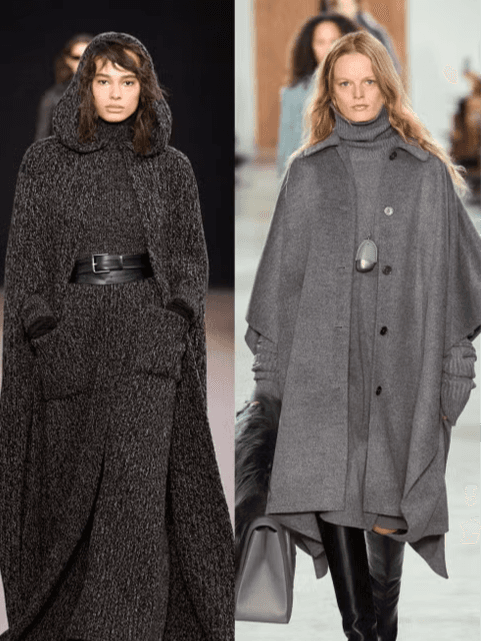
Minimalism resurfaces every decade, but the 2026 iteration is softer, more tactile, and more emotionally nuanced than its predecessors. Instead of stark simplicity, designers are gravitating toward quiet luxury with subtle sculptural lines, fluid tailoring, and materials like brushed wool, matte satin, and silk blends. This form of minimalism feels lived-in yet refined. It responds to a world where consumers value longevity and wearability but still crave aesthetic impact. After seasons dominated by loud patterns and maximalist layering, the pendulum swings toward thoughtful reduction. Yet the look never feels plain — asymmetrical hems, unexpected seaming, and gentle volume give minimalism its renewed depth.
Hyper-Utility Becomes High Fashion
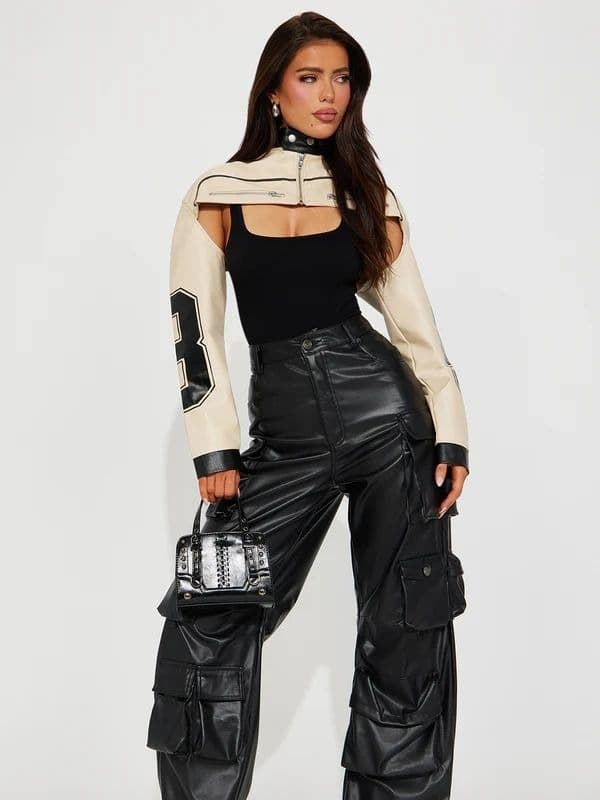
Utility has been steadily rising, but by 2026 it transforms into full-fledged hyper-utility. This trend embraces adaptable clothing systems instead of static outfits. Technical fabrics meet couture-level detailing. Cargo pockets evolve from streetwear staples into tailored design statements. Jackets include modular hoods or zip-off components. Trousers come with adjustable hems or storage-inspired paneling. The growing popularity of outdoor-inspired fashion, global mobility, and techwear culture has made practicality not only desirable but aspirational. Yet hyper-utility never slips into ruggedness alone — designers pair high-function elements with sleek, modern silhouettes that look polished in urban environments.
Techno-Romanticism: A Soft Future
Among the most striking fashion trends that will be everywhere in 2026 is the rise of techno-romanticism — a blend of futuristic aesthetics and ethereal romantic design. Digital influence is no longer limited to pixel prints; it manifests through holographic sheens, AI-inspired patterns, 3D-printed embellishments, and translucent layering. But instead of presenting technology as metallic or cold, designers reinterpret it through softness: shimmering organza over structured corsetry, lace infused with optical fibers, or iridescent coatings placed atop delicate draping. This trend reflects society’s evolving relationship with technology — it is integrated into daily life, yet consumers increasingly want it to feel human, organic, and emotionally expressive.
Sculptural Silhouettes and Volume With Purpose
Volume continues dominating runways, but in 2026 it becomes more architectural. Rather than oversized for comfort, garments adopt bold, sculptural forms that redefine the body’s outline. Designers draw inspiration from archival couture, mid-century futurism, and Japanese avant-garde fashion. Cocoon-like outerwear, curved skirts with engineered foam, inflated sleeves reminiscent of space-age design, and trapezoid-shaped tops appear across collections. These silhouettes prioritize presence and creativity. They give wearers a sense of fashion moment — an opportunity to occupy space unapologetically. And despite their dramatic shapes, these garments balance wearability with high visual impact.

Sustainability Evolves From Trend to Obligation
Sustainability is no longer optional, and 2026 marks the year it becomes integral across all fashion tiers. But the sustainability conversation shifts from broad commitments to measurable actions. Regenerative agriculture, bio-fabric innovation, transparent product passports, and true circularity take center stage. Mushroom-based leather, algae fibers, recycled cashmere, and dye-free textiles appear on both runways and high-street collections. Upcycling is reimagined — no longer artisanal alone, but elevated with luxury construction. Repair becomes visible and intentional, often treated as a design signature rather than merely maintenance. Consumers entering 2026 are more informed than ever, pushing brands toward authenticity rather than green gloss.
Vintage Futurism: Looking Forward Through the Past
One of the most culturally fascinating fashion trends of 2026 blends retro references with futuristic aesthetics. Vintage futurism draws heavily from 1960s space-age couture, 1980s metallic clubwear, and early-2000s cyber silhouettes. Designers reinterpret these influences using modern materials and improved tailoring. Expect reflective mini-dresses, polished chrome accessories, silver boots, glossy trenches, and eyewear reminiscent of sci-fi films yet softened for everyday wear. The appeal lies in nostalgia paired with forward-looking optimism — a sentiment that resonates especially among Gen Z and Gen Alpha, who embrace irony and playful self-expression.
A Chromatic Shift: High-Saturation and Complex Pairings
Color returns in full force in 2026 after several seasons dominated by muted earth tones. Designers embrace saturated primaries, jewel-like neons, and creative color-blocking. Red emerges as a statement hue; cobalt blue appears across both daywear and eveningwear; and greens shift from natural olive to electric chartreuse. Pastels also evolve, often layered with metallic or neon accents for contrast. Accessories become chromatic playgrounds — handbags in hyper-pink, shoes in polished emerald, sunglasses in vivid amber. The palette signals confidence and emotional renewal, speaking to a global desire for energy and optimism.
Craftcore Reimagined Through Modern Techniques
Craftcore, which rose from the DIY revival of the early 2020s, matures into refined artisanal fashion in 2026. Instead of rustic craft aesthetics, designers elevate handmade elements with architectural precision. Crochet is no longer bohemian; it becomes sculptural. Patchwork evolves into abstract geometric compositions. Weaving techniques draw from global heritage traditions but reinterpret them in modern colorways. Visible mending — once a symbol of sustainability activism — becomes an intentional decorative feature. This evolution reflects cultural appreciation for craftsmanship, storytelling, and the human touch in an increasingly digitized world.
Accessories Step Into the Spotlight
Accessories are bolder in 2026, serving as central style anchors rather than supporting elements. Bags expand dramatically in shape and purpose: oversized geometric totes, structured micro-luggage, and sculpted leather clutches dominate street style. Footwear experiments with modularity, integrating removable soles or adjustable components. Jewelry fuses organic shapes (pearl clusters, molten gold forms) with futuristic metallic finishes. Sunglasses continue shifting toward shield-style or orbital silhouettes. Accessories in 2026 are not merely add-ons — they define the narrative of an outfit.
How Consumers Will Interpret These 2026 Trends
Not every trend that appears on runways translates directly into wardrobes, yet the diffusion across market levels will be significant. High fashion will push experimentation through innovative materials and couture techniques. Mid-market brands will adopt softened versions of hyper-utility, tonal minimalism, and bold color accents. Mass-market retailers will focus on wearable interpretations: sustainable basics, adjustable outerwear, and statement accessories that allow consumers to explore trends without overinvestment. Social media — especially video platforms and AI-powered styling apps — will accelerate trend adoption and customization, allowing individuals to personalize these aesthetics rather than conform to a single visual direction.

Conclusion: A Year of Creative Duality
The fashion trends that will be everywhere in 2026 reveal a rich landscape defined by duality — restraint and expression, futurism and nostalgia, nature and technology. Designers are not choosing one direction; they are weaving opposites into unified visions. The result is a year that promises experimentation, emotional connection, and meaningful change. Fashion in 2026 invites us to dress not only with intention but with imagination, embracing clothing as both personal identity and cultural storytelling. It is a year shaped by reinvention, and one that will leave a lasting imprint on the decade ahead.