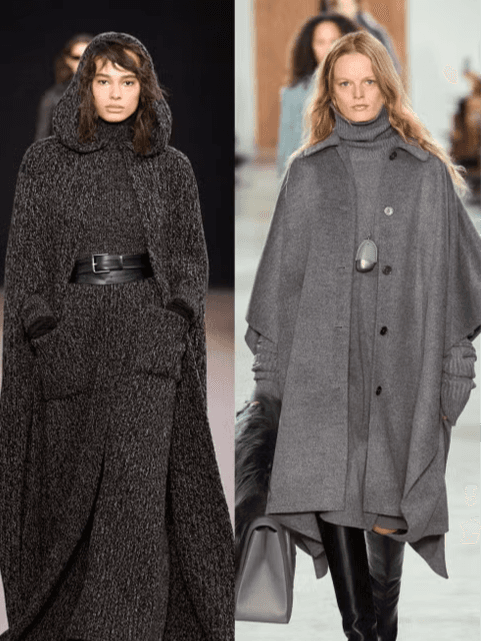
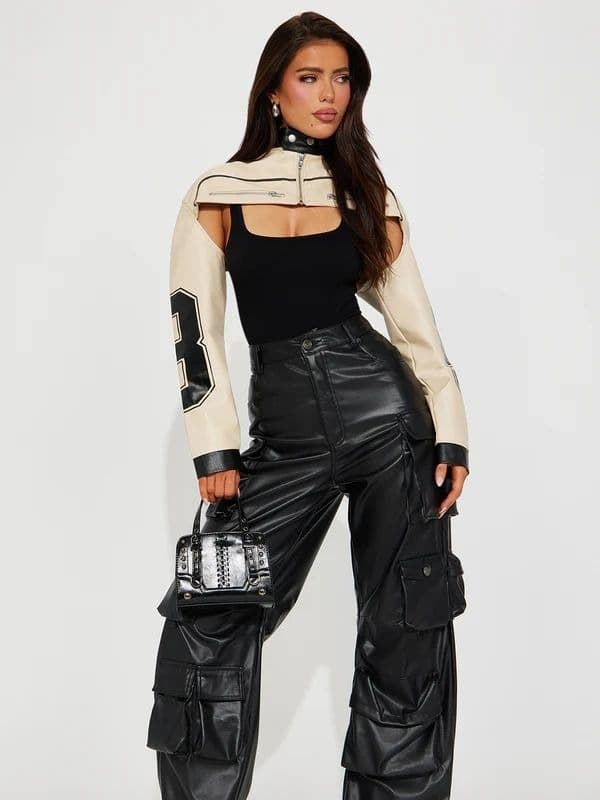
A well-organised wardrobe is more than a matter of aesthetics—it’s a reflection of clarity, efficiency, and self-expression. Whether you’re a fashion enthusiast, a stylist managing endless outfits, or simply someone tired of cluttered shelves, learning how to organise your wardrobe can transform both your space and your mindset. The art of wardrobe organisation combines practicality, creativity, and a touch of discipline, making your morning routine smoother and your fashion choices more inspired.

The Psychology Behind a Well-Organised Wardrobe
A tidy wardrobe can change how you feel about yourself and your day. Studies in behavioural psychology suggest that decluttering boosts focus, lowers anxiety, and fosters confidence. When you know exactly where every item of clothing sits, you gain more than physical order—you gain control over your time and mood. The satisfaction of opening neatly stacked clothes on shelves or sliding open a wardrobe closet for clothes where everything is visible and reachable can be genuinely empowering.
Preparing for the Organisation Process
Before you begin arranging, preparation is key. Empty your wardrobe completely and assess what you own. This step helps you evaluate not just quantity but also the quality and relevance of each piece.
Step 1: Declutter
Separate your clothes into categories—keep, donate, sell, or recycle. Be honest about what you actually wear. Many stylists recommend the “one-year rule”: if you haven’t worn an item in the past twelve months, it’s probably time to let it go.
Step 2: Clean and Freshen
Take advantage of the empty wardrobe to dust, vacuum, and refresh the interior. A clean space sets the foundation for long-term organisation.
Step 3: Categorise
Group clothes into categories: workwear, casual, evening, and seasonal. This system will make it easier to arrange them logically on your shelves and in your hanging sections.
Choosing the Right Wardrobe Closet for Clothes
Your storage system matters as much as the clothes themselves. The ideal wardrobe closet for clothes depends on space, lifestyle, and personal style. Built-in closets work well for compact apartments, while open wardrobes or modular systems can make large spaces feel creative and flexible.
- Closed wardrobes keep dust away and create a minimal aesthetic.
- Open racks encourage visibility and accessibility, perfect for stylists and influencers.
- Modular designs allow you to adjust shelves and compartments as your wardrobe evolves.
If your space allows, add adjustable shelving units that can accommodate baskets or storage bins. This will maximise both style and functionality.
How to Organise Clothes on Shelves
When you’re organising closet shelves, aim for both accessibility and visual harmony. Fold clothes consistently—uniform stacks create symmetry and save space. Use vertical folding (similar to the KonMari method) for smaller items like T-shirts, while heavier items like sweaters can be folded flat.
Grouping by Type and Colour
Arrange items by category first—tops together, pants together, then by colour gradient. This creates a visually pleasing effect and makes outfit selection intuitive. Shelves with baskets for clothes are especially helpful for storing delicate or hard-to-fold items like scarves or sportswear.
Seasonal Rotation
Dedicate top or bottom shelves to off-season clothes. When seasons change, rotate them with the current collection to keep your most-used pieces within reach. Use labelled boxes or baskets to keep the rotation seamless.
Vertical and Horizontal Use
If your shelves are deep, use shelf dividers or boxes to separate stacks and prevent clothes from collapsing. For tall wardrobes, vertical stacking can optimise space—store less frequently used items higher up.
The Magic of Shelves with Baskets for Clothes
Shelves with baskets for clothes combine functionality and aesthetics. Baskets made of woven rattan, fabric, or acrylic help compartmentalise your wardrobe without making it look crowded. They’re ideal for undergarments, accessories, workout gear, and smaller items that might otherwise create visual clutter.
Label baskets clearly—simple tags or chalkboard labels help identify contents instantly. This method prevents rummaging and helps maintain long-term organisation.
Recommended Basket Materials
- Fabric bins: Lightweight, collapsible, and ideal for flexible storage.
- Wicker baskets: Add texture and warmth to your wardrobe.
- Acrylic containers: Perfect for modern interiors where visibility is key.
How to Organise Your Clothes by Occasion
To simplify dressing for various events, divide your wardrobe according to lifestyle needs. Creating distinct sections saves time and prevents decision fatigue.
- Workwear Zone: Include blazers, dress shirts, and tailored trousers. Keep them easily accessible.
- Casual Section: Arrange jeans, T-shirts, and leisurewear here.
- Evening Wear: Hang dresses, suits, or coordinated sets to preserve shape.
- Loungewear and Sleepwear: Store in drawers or baskets for convenience.
A “days of the week clothes organiser” system can also be life-changing—especially for busy professionals or students. Prepare five complete outfits for the weekdays and store each in separate compartments. It’s a method used by fashion stylists to maintain variety and speed up morning routines.
Smart Tools and Accessories for a Perfect Wardrobe
Drawer Dividers
They’re essential for small items like socks, belts, or jewellery. Adjustable dividers keep everything visible and tidy.
Hanging Organisers
If shelf space is limited, invest in hanging organisers for vertical storage. They can hold shoes, accessories, or even workout outfits.
Hooks and Racks
Hooks on wardrobe doors can store scarves, handbags, or belts without consuming internal space. Over-the-door racks are perfect for accessories you use daily.
Lighting
LED strip lights or motion sensors inside your wardrobe not only look luxurious but also make searching for items effortless. Lighting transforms a wardrobe from a storage unit into a boutique-style experience.
Organising Closet Shelves Like a Fashion Stylist
Fashion stylists treat their wardrobes like creative studios. They visualise outfits as compositions. To apply their method:
- Keep basics in the centre for easy access.
- Display statement pieces—like jackets or dresses—on visible hangers.
- Arrange by colour, from light to dark, to simplify outfit pairing.
- Reserve a small section for new arrivals or planned outfits.
Incorporate mirrors to create a dressing zone. This encourages daily outfit experimentation and boosts your connection with your clothes.

Sustainability Through Wardrobe Organisation
A well-organised wardrobe encourages sustainable fashion habits. When you can see everything you own, you’re less likely to buy duplicates or fast-fashion pieces impulsively. This awareness promotes conscious consumption and personal style evolution.
Consider integrating a donation or resale system. Platforms like Vestiaire Collective or The RealReal make it easier to give preloved items a second life. Even within a Fashion Social Network, sharing outfit posts or swaps can extend the lifespan of clothing pieces, merging style and sustainability.
How to Maintain an Organised Wardrobe Long-Term
The hardest part isn’t organising—it’s maintaining it. Develop weekly and monthly habits:
- Spend 10 minutes every Sunday checking for misplaced items.
- Rotate outfits regularly to keep the collection fresh.
- Implement a “one-in, one-out” rule: every new item should replace an old one.
- Use gentle fabric sprays and cedar wood hangers to keep your clothes fresh and moth-free.
Digital tools can help too. Apps designed for wardrobe management allow you to photograph and categorise your pieces, creating a virtual closet accessible from your phone. This helps with travel packing and daily outfit planning.
Integrating Technology and the Fashion Social Network Trend
The digital age has changed how people interact with fashion. Through a Fashion Social Network, style enthusiasts now share how they organise, style, and store their clothes. These platforms allow users to showcase wardrobe aesthetics, swap styling ideas, and inspire sustainable practices.
Many influencers have even turned wardrobe organisation into content—posting “closet tours” or “shelf reveal” videos. For brands, it’s a new opportunity to connect with audiences through lifestyle storytelling rather than just product promotion.
Expert Tips for Different Wardrobe Types
Small Spaces
Maximise every centimetre by using multi-functional furniture. Under-bed drawers, door hooks, and double hanging rods can triple your storage capacity.
Large Walk-In Closets
Focus on visual merchandising principles. Treat each section like a boutique—colour coordination, thematic zones, and curated displays make the space inspiring and practical.
Shared Wardrobes
Use distinct sections, colours, or labelled baskets to prevent overlap. Transparency and systemisation make co-living easier and conflict-free.
The Connection Between Fashion Identity and Organisation
Wardrobe organisation reflects personal identity. Minimalists favour neutral palettes and symmetrical arrangements, while creatives prefer eclectic, visible displays. Your wardrobe mirrors how you perceive fashion—structured, spontaneous, or expressive. Understanding this connection can help you build not just an organised space, but a meaningful one.
For fashion professionals, wardrobe organisation goes beyond utility—it becomes a form of creative curation. Every hanger, every shelf, every folded piece represents a chapter in their personal style story.
Common Mistakes to Avoid
- Overcrowding: Even the best system fails when overloaded. Keep at least 20% of your wardrobe space empty for flexibility.
- Neglecting maintenance: Dust, humidity, or poor lighting can quickly ruin your efforts.
- Ignoring ergonomics: Frequently used items should always be at eye level.
- Uniform hangers: Mixing plastic, wood, and metal hangers creates chaos—choose one type for visual unity.
How to Refresh Your System Seasonally
Each season invites a wardrobe update. During spring, move heavier items like coats to storage and highlight lighter fabrics. In autumn, reverse the process. A quarterly refresh keeps your wardrobe relevant and ensures that fabrics remain in good condition.
For those who enjoy fashion experimentation, create a mini “capsule wardrobe” each season—10–15 pieces you can mix and match easily. This exercise enhances creativity and reduces fashion fatigue.
Creating a Capsule Zone
A capsule zone is a curated section within your wardrobe dedicated to essentials that align with your current mood or schedule. It may include neutral basics, layering pieces, and favourite accessories. By isolating them from the rest, you simplify daily dressing and promote intentional styling.
Capsule zones also help track which items you truly love and wear often—valuable insight for future purchases.

Final Thoughts: The Wardrobe as a Reflection of Lifestyle
Organising your wardrobe isn’t just about neatness—it’s about lifestyle alignment. A well-curated wardrobe signals discipline, creativity, and environmental awareness. From shelves with baskets for clothes to the convenience of a days of the week clothes organiser, every small adjustment adds value to your routine.
When fashion becomes personal, your wardrobe transforms from a storage space into a creative atelier. It tells your story—layer by layer, fabric by fabric. Whether you are a student exploring fashion or a professional stylist setting trends, mastering how to organise clothes on shelves is one of the simplest yet most transformative ways to elevate your everyday life.