For decades, the fashion compass pointed unwaveringly toward the West. Paris, Milan, London, and New York were the undisputed capitals, dictating the hemlines and silhouettes that would eventually trickle down to the rest of the world. However, as I have observed over my fifteen years covering this industry, the needle has moved. In the last decade, a seismic shift has occurred. The most electrifying, innovative, and rapidly evolving trends are no longer birthed solely in European ateliers, but on the pavements of Tokyo, Seoul, and Shanghai.
Asian street style has graduated from a niche subculture curiosity to a dominant global force. It is no longer just an alternative to Western fashion; in many ways, it is now the leading narrative. To understand modern streetwear, one must understand the complex, multifaceted dialogue happening in East Asia, where tradition crashes into futurism, and hyper-consumerism meets profound individual expression.

The Incubator of Cool: Tokyo’s Enduring Legacy
To discuss Asian street style without paying homage to Tokyo is to ignore the foundation upon which the entire movement was built. In the 1990s and early 2000s, the Harajuku district became the epicenter of a visual revolution. While the West was navigating the grunge era, Japanese youth were engaged in a radical act of rebellion through clothing.
What many casual observers miss is that Tokyo street style was never just about being colorful or eccentric; it was a counter-cultural reaction to a rigid, corporate society. The legendary FRUiTS magazine captured this spirit, documenting styles like Decora and Lolita that prioritized radical self-expression over societal harmony.
However, the Tokyo aesthetic has matured. Today, the "Ura-Hara" (hidden Harajuku) influence remains potent, but it has evolved into a sophisticated blend of Americana, workwear, and avant-garde tailoring. We see the trickle-down effect of masters like Yohji Yamamoto and Rei Kawakubo in the way Tokyoites layer garments. The current Tokyo look is often defined by a relaxed mastery of proportions—oversized silhouettes that drape rather than drown, mixed with vintage denim and high-end technical gear. It is a style that whispers rather than screams, prioritizing texture and silhouette over logos.
The Hallyu Wave: Seoul’s Polished Perfection
If Tokyo is the rebellious artist of Asian fashion, Seoul is the meticulously styled pop star. The rise of South Korean street style runs parallel to the explosion of the Hallyu wave—the global export of K-pop and K-dramas. But to view Seoul’s fashion scene merely as a byproduct of celebrity culture would be a disservice to the city's innate creativity.
Walking through the districts of Hongdae or Garosu-gil, one notices an aesthetic that is distinctly different from Japan. Seoul’s street style is characterized by a "polished urbanism." It is sharper, more tailored, and heavily coordinated. There is a distinct emphasis on fit and visual harmony. Even when the clothes are baggy or deconstructed, the hair is immaculate, and the accessories are deliberate.
One specific phenomenon that has captivated the global fashion press is the "couple look"—young pairs dressing in identical or complementary outfits. While often dismissed as kitsch in the West, in Korea, it is a genuine fashion statement, a way of publicly displaying relationship status through aesthetic unity. Furthermore, the speed at which trends move in Seoul is blistering. A look worn by a member of Blackpink or BTS at Incheon Airport—a runway in its own right—can be replicated, manufactured, and sold on the streets of Dongdaeimum within days. This "speed-to-market" mentality has made Seoul the most reactive fashion capital on earth.
The Digital Runway: The Rise of Chinese Street Fashion
While Japan and Korea have established their identities over decades, China has emerged as the sleeping giant that woke up and started sprinting. The street style scene in Shanghai, Chengdu, and Beijing is currently arguably the most daring in the world, largely driven by the digital ecosystem of TikTok (Douyin) and Xiaohongshu.
We have all seen the viral slow-motion videos of Chinese youth walking down street runways, looking impeccable. This "civilian runway" culture has democratized fashion in China. The aesthetic here is characterized by high-contrast bravery. It is a mix of high luxury—Balenciaga, Gucci, Louis Vuitton—paired with domestic streetwear brands like Li-Ning that are reclaiming national pride.
What sets the Chinese scene apart is the incorporation of "Guochao" (national trend). This movement sees young people integrating traditional Chinese elements—mandarin collars, silk brocades, and Hanfu-inspired robes—into hyper-modern, cyberpunk outfits. It is a visual reclamation of heritage, updated for a generation that lives online. The look is often aggressive, utilizing techwear straps, buckles, and futuristic fabrics to create an image that feels like it belongs in the year 2050.

Deconstructing the Aesthetics: Key Trends Across the Continent
While regional differences are vast, several unifying threads weave through the tapestry of Asian street style, influencing designers globally.
The Genderless Revolution
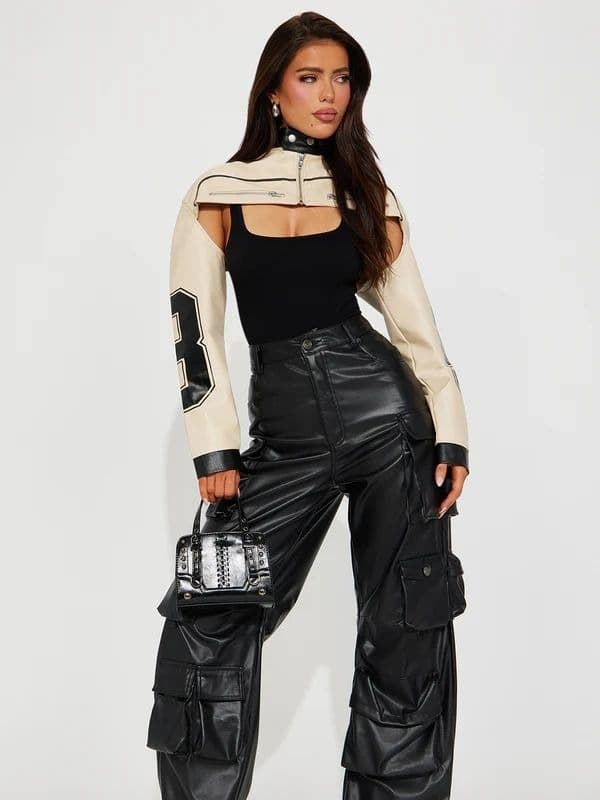
One of the most progressive aspects of modern Asian street fashion is its fluidity. In many Western markets, "unisex" often just means "men’s clothes for women." In Seoul and Tokyo, however, the boundaries are far more porous. We frequently see men embracing skirts, cropped jackets, and softer fabrics, while women adopt aggressive, oversized utilitarian gear. This gender-neutral approach is not necessarily a political statement but an aesthetic one—focusing on the vibe of the garment rather than who it was intended for.
Techwear and Utility
The global obsession with "Gorpcore" (hiking and camping gear worn as fashion) has found its most extreme and stylish expression in Asia. However, unlike the Western version which often looks like one is ready to climb a mountain, the Asian interpretation is more architectural. Brands and stylists mix Gore-Tex jackets and cargo trousers with combat boots and face masks to create a "survivalist chic" look. It reflects the urban density of cities like Tokyo and Shanghai, treating the metropolis as a terrain to be navigated with efficiency and protection.
The Mastery of "Oversized"
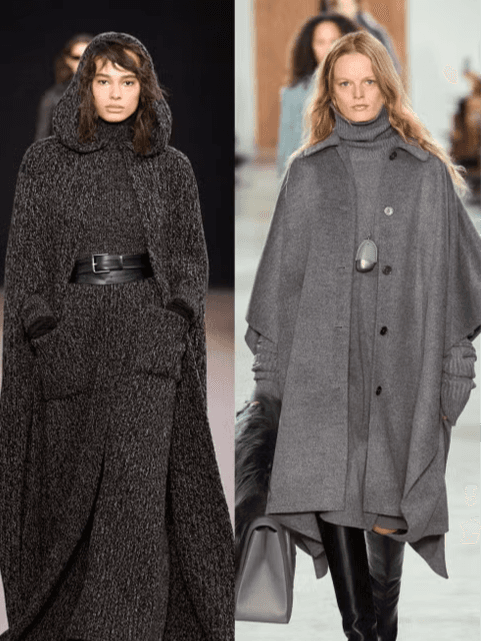
If there is one silhouette that defines Asian street style, it is the oversized fit. But this is not merely wearing a size too big. It is a deliberate play on volume. Wide-leg trousers that pool over sneakers, drop-shoulder hoodies that create a cocoon effect, and coats that sweep the floor are standard. This preference for volume offers a rejection of the body-con styles of the early 2000s, offering a sense of privacy and comfort amidst the crowded urban sprawl.

The Future is Eastern
For the aspiring stylist or fashion student, looking to the East is no longer optional; it is essential. The fashion weeks in Shanghai, Seoul, and Tokyo have become just as critical as the traditional "Big Four" for spotting the genesis of trends.
What makes Asian street style so enduring is its adaptability. It digests Western trends, recontextualizes them through a local cultural lens, and spits them back out in a form that is often more interesting than the original. It is a landscape where the history of garment-making meets the immediacy of the digital age.
As we look toward the future, we can expect this dominance to continue. The barriers to entry are lower, the consumers are younger and more daring, and the manufacturing capabilities are local. Asian street style has taught the world that fashion is not just about fitting in—it is about standing out in a crowd of millions. It is a celebration of the individual within the collective, a vibrant, chaotic, and beautiful mess that has forever changed the way the world gets dressed.