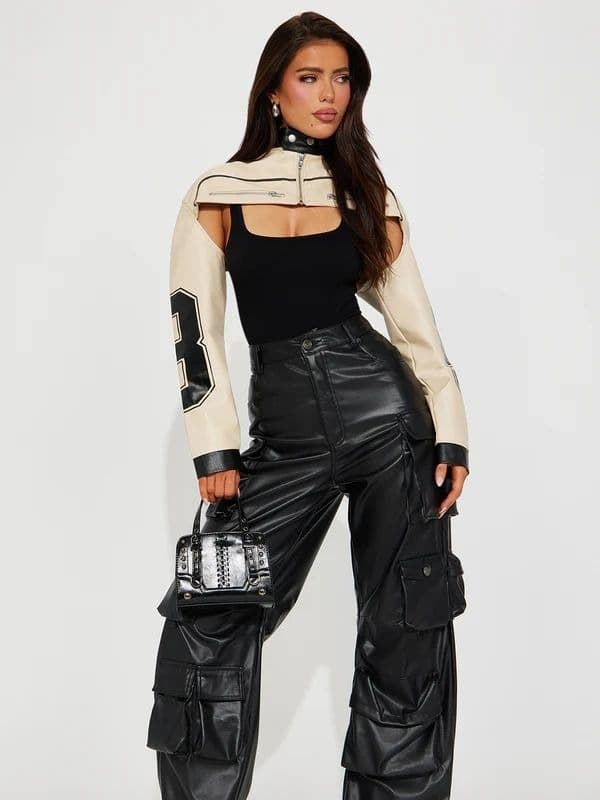
The last decade was defined by logomania. Big, shouting brands and instantly recognizable status symbols—that was the fashion rule. Today, however, we are witnessing a tectonic shift: the fashion pendulum is swinging sharply towards restraint, meaning, and, most importantly, personalization. The era where true status is determined not by the size of the logo on your bag, but by how unique and deep the story behind your clothing is, has arrived.

The End of Conspicuous Consumption
The Quiet Luxury movement is not just a trend; it's a philosophical response to overconsumption. After years of social media dominance and fast fashion, the consumer is tired of imitation and ostentatious display. A new generation of affluent and intelligent clients (especially Gen Z and young Millennials) seeks to invest in quality, timelessness, and authenticity.
True status today doesn't shout; it whispers. It's recognizable only to those who know where to look.
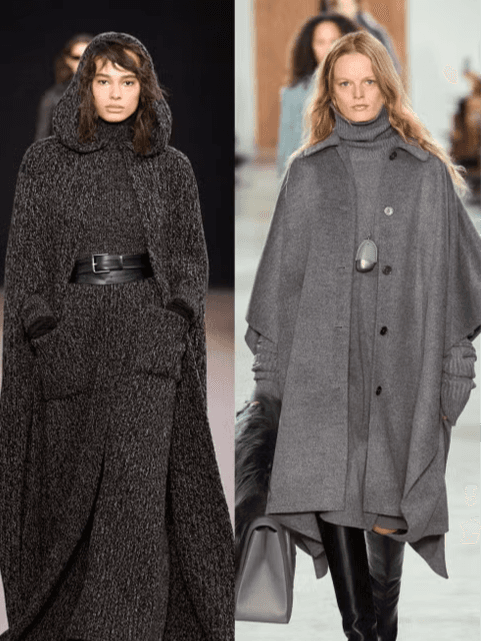
The foundation of Quiet Luxury is perfect tailoring, the world's finest fabrics (Loro Piana cashmere, The Row silk, Brunello Cucinelli fine worsted wool), and design that won't be obsolete in a single season. This is the complete opposite of logomania, where value was defined solely by recognizability.
From "Greenwashing" to "Personal Weaving": The Textile Revolution
What finally makes the consumer turn away from mass production? Not just the absence of a logo, but the absence of a story. This is where personalized textile steps onto the stage.
Innovators like Central Saint Martins graduate Maham Asim are demonstrating that fabric can carry more than just color; it can carry the consumer's DNA. Her concept of "Personal Weaving", which integrates organic materials (e.g., dyes derived from heirloom botanicals) into fibers, transforms clothing into a genuine heirloom.
Why is this innovation the future?
- Traceability: The origin of the fabric and its components becomes transparent and personal, disrupting the "black box" effect in supply chains.
- Emotional Attachment: Items become indispensable. When a part of your family history or a significant event is literally woven into your clothing, you won't discard it in a year.
- True Sustainability: Natural dyes and a focus on unique, durable fibers are a radical antidote to fast fashion and the use of toxic chemicals.
This approach transforms clothing from an object of consumption into a cultural artifact.
The New Rules of Luxury: Story Trumps Price
In the world of personalized textile and Quiet Luxury, price is no longer the main marker of opulence. The primary criteria for investment appeal are becoming:
- The Creation Process: How much time and skill were invested? Was the item handcrafted?
- The Narrative: What story does the item tell? Who created it and why?
- Personal Contribution: Can you participate in selecting materials, or even, as with Maham Asim, provide personal organic components for its creation?
This pivot means that high craftsmanship is king again. Brands that previously relied only on marketing and logos are now forced to invest in developing innovative yet understated materials, and in training tailors and weavers.

Your Wardrobe as a Collection of Art Objects
How will this global shift affect the everyday consumer?
We should move away from thinking in terms of "seasonal shopping" and shift towards "collecting".
What to look for right now:
- Structural Silhouettes: As seen at the recent Met Gala, fashion is moving towards architectural, sculptural forms. Look for clothing that holds its shape and looks like a work of art.
- Personalized Accessories: Singular, custom jewelry or bags with unique, bespoke details. This is your personal status statement that cannot be bought in the mass market.
- Neutral Palette: Navy blue, beige, charcoal gray, and creamy white—the colors of Quiet Luxury—create the perfect backdrop to highlight the unique texture or quality of a fabric.
Logomania is dead. Long live meaningful and personalized luxury. Fashion is no longer a game of recognition but a game of understanding and depth. The next generation of luxury consists of items that tell the story not of the brand, but of You.